Plug-in solar in West Virginia
- Factsheet
$240
expected annual savings
7 years
average payback period
10+
states with plug-in solar laws
What is plug-in solar?
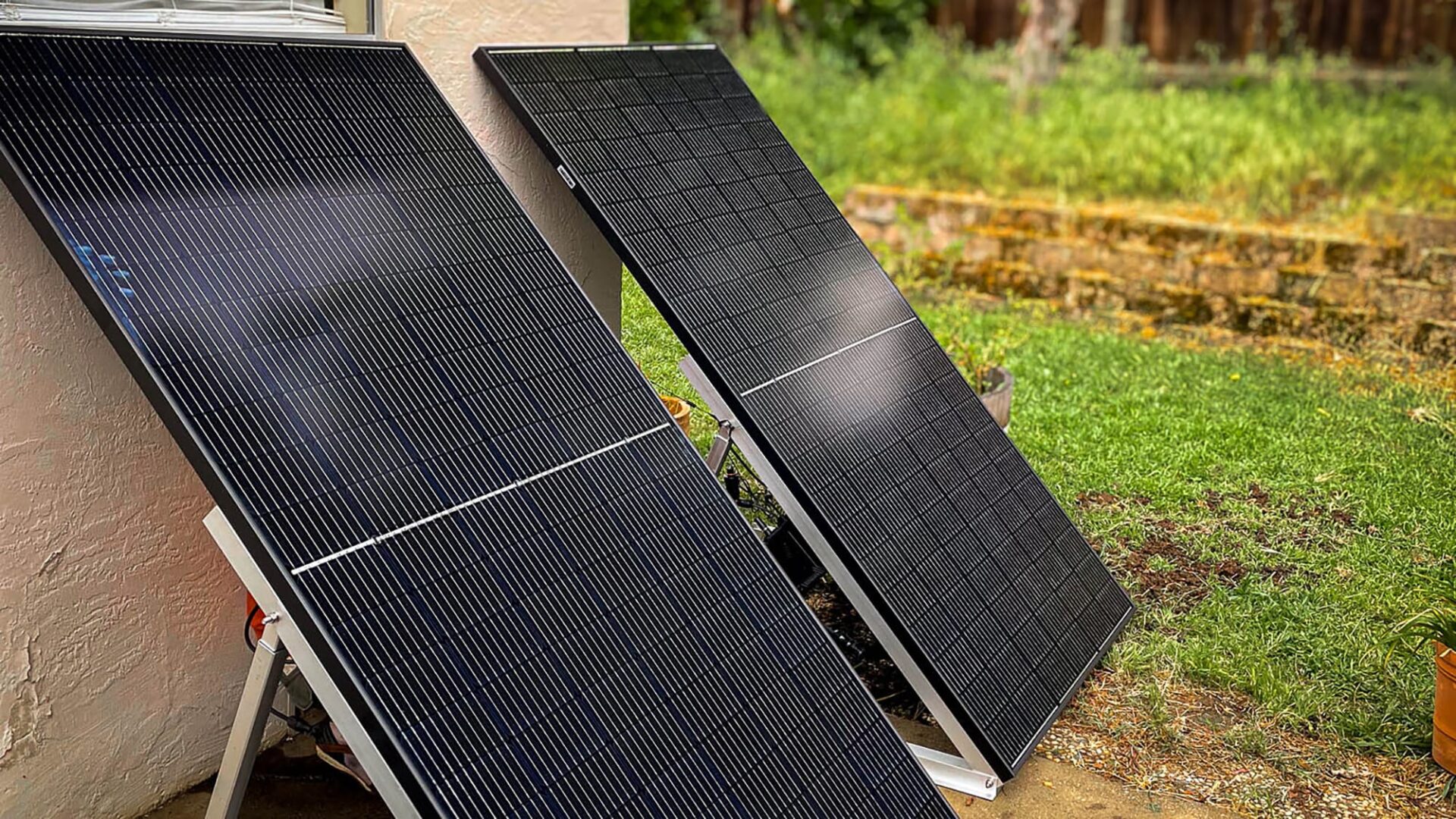
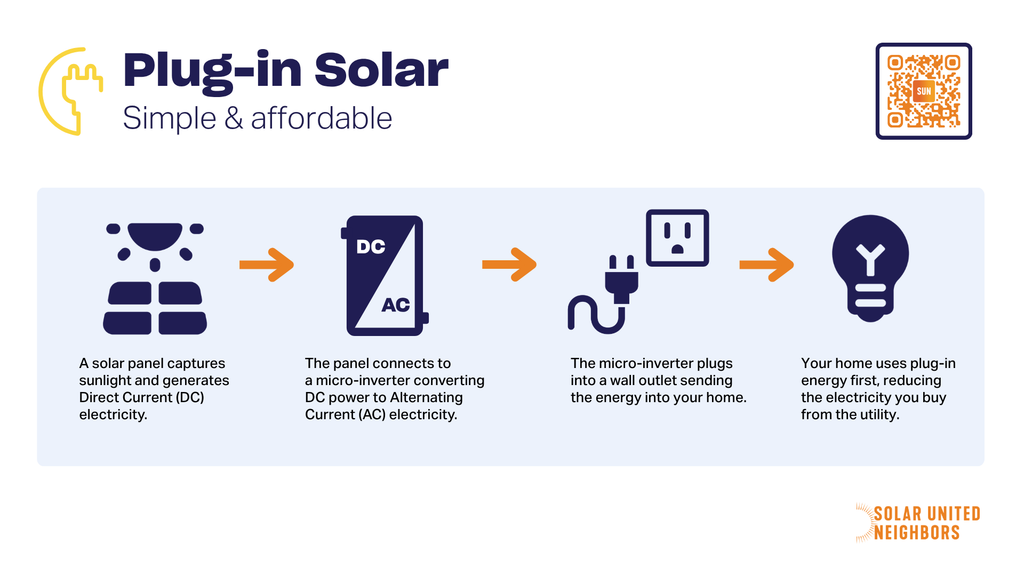
Plug-in solar (also called balcony solar) is a small solar energy system that plugs into a regular wall outlet to power your home and lower your electric bill. These systems are also sometimes called plug-in photovoltaics (PIPV). Panels convert sunlight into electricity and plug in directly to a power outlet. This is different from the rooftop systems you may be familiar with. Those systems connect to your home through your electric panels.
Plug-in solar lets you go solar without a complicated installation. Small scale plug-in systems can be placed on a balcony, in a yard, or on a deck. These portable plug-in solar systems are easy to set up and take down if your lease is up, or you’re moving into a new home.
To learn more about how plug-in solar works, check out our plug-in solar consumer guide.
Is plug-in solar legal in West Virginia?
Plug-in solar is not yet legal in West Virginia, but that could change in 2027. By passing state legislation, state lawmakers can set clear safety standards for plug-in solar systems and cut regulatory red tape to provide an easy, no cost way to help West Virginians lower energy bills. Simple, common-sense legislation will eliminate burdensome utility interconnection requirements designed for larger solar systems and create safety standards to protect consumers, lineworkers and first responders. State leaders have the opportunity to open up the free market with new energy choices, while also allowing families to lower their electricity bills almost immediately.
Four essential provisions to include in a basic plug-in solar bill:
- Create a definition of a “plug-in solar generation device.”
- Set system size requirements for a maximum power output of 1200 watts.
- Require safety certification by a nationally recognized testing laboratory.
- Exempt plug-in solar systems from utility interconnection requirements.
West Virginia’s legislative session begins January 13, 2027. Stay tuned for updates as we approach this crucial time!
How much money can plug-in solar save West Virginians?
The average West Virginia household can expect to save an average of $240 per year with a 1200-watt system. The average payback period for a 1200-watt system is seven years. With electricity prices skyrocketing across the state, West Virginians are searching for ways to reduce their energy bills. Plug-in solar gives everyday families a practical and affordable option to cut their electricity costs by hundreds of dollars per year.
Benefits of plug-in solar:
- Plug-in solar is a simple, safe, and affordable way to receive the financial and resiliency benefits of solar. Whether you’re a homeowner or a renter, plug-in panels empower new segments of the population to generate their own electricity for the first time.
- Plug-in solar puts money back into West Virginians’ pockets without relying on state-funded grant programs or tax credits. Lawmakers can deliver an energy affordability solution to provide immediate relief to their constituents.
- Paired with a battery, you can store energy and power your devices when the electric grid goes down. Depending on the battery’s capacity, you can power a few essential appliances, such as a refrigerator and/or charge your phone.
Who supports plug-in solar?
Ten states (and counting!) have already passed the necessary legislation to open up the market to consumers, including Virginia, Maryland, Utah, and Colorado. We expect more states to legalize plug-in solar systems in 2027.
Anyone can benefit from the cost savings and energy independence of plug-in solar — even homeowners who already have rooftop systems installed. But plug-in solar is an especially exciting opportunity for folks who haven’t been able to access the money-saving benefits of solar before. That includes:
- People who rent their home and can’t install anything permanent on the property
- People who aren’t prepared to pay the up-front cost of a full rooftop solar system
- People whose roofs aren’t a good fit for a rooftop system (e.g. shaded by trees)
Join our monthly plug-in solar advocacy calls.
Frequently asked questions
Get the latest on solar straight to your inbox.
Fight for your solar rights.
Everyone has the right to go solar. Spread the sunshine nationwide and in your local community by taking action, joining events, and more.