Salon brings solar supporters and Nevada lawmakers together
- Solar accessibility
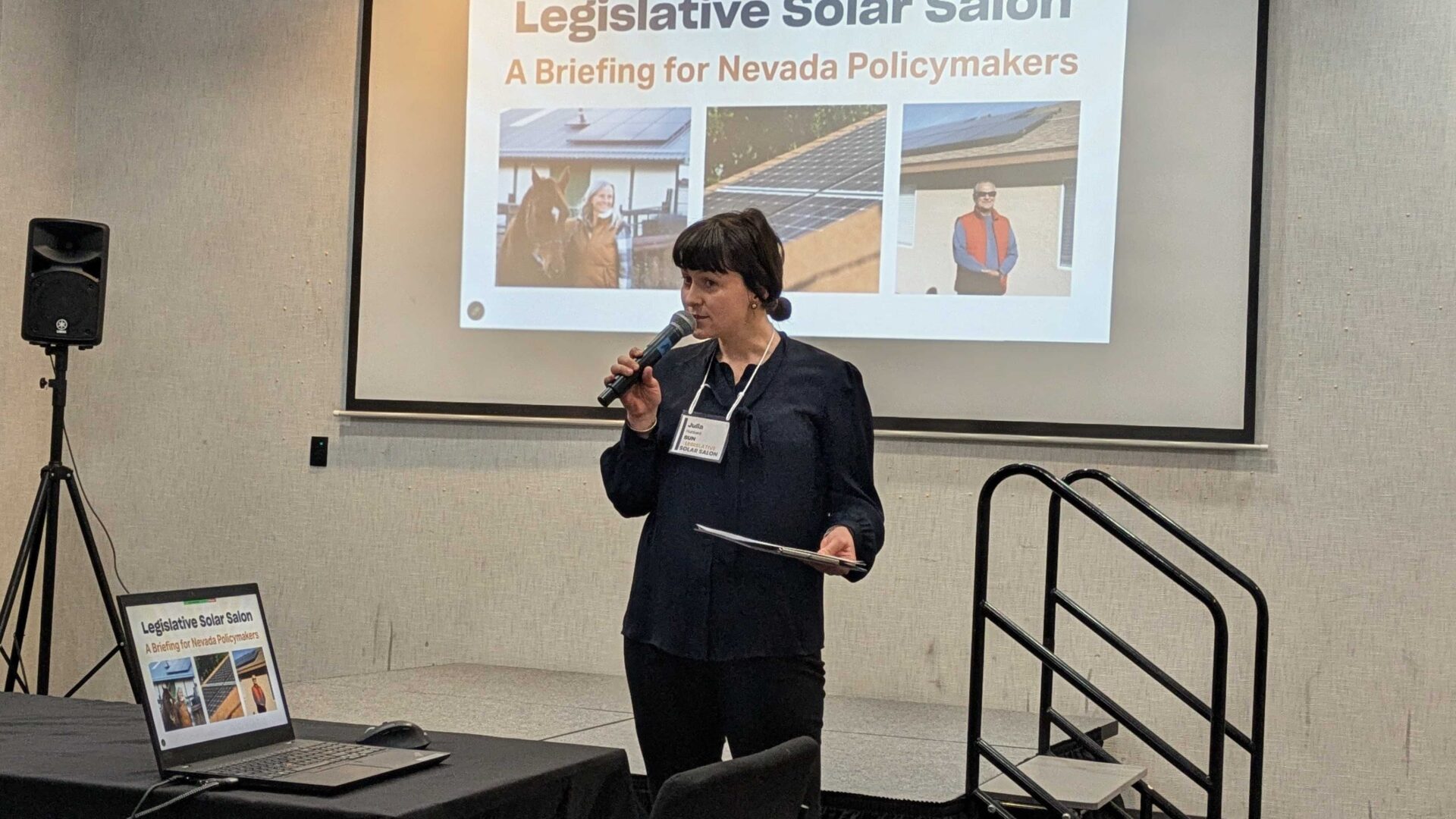
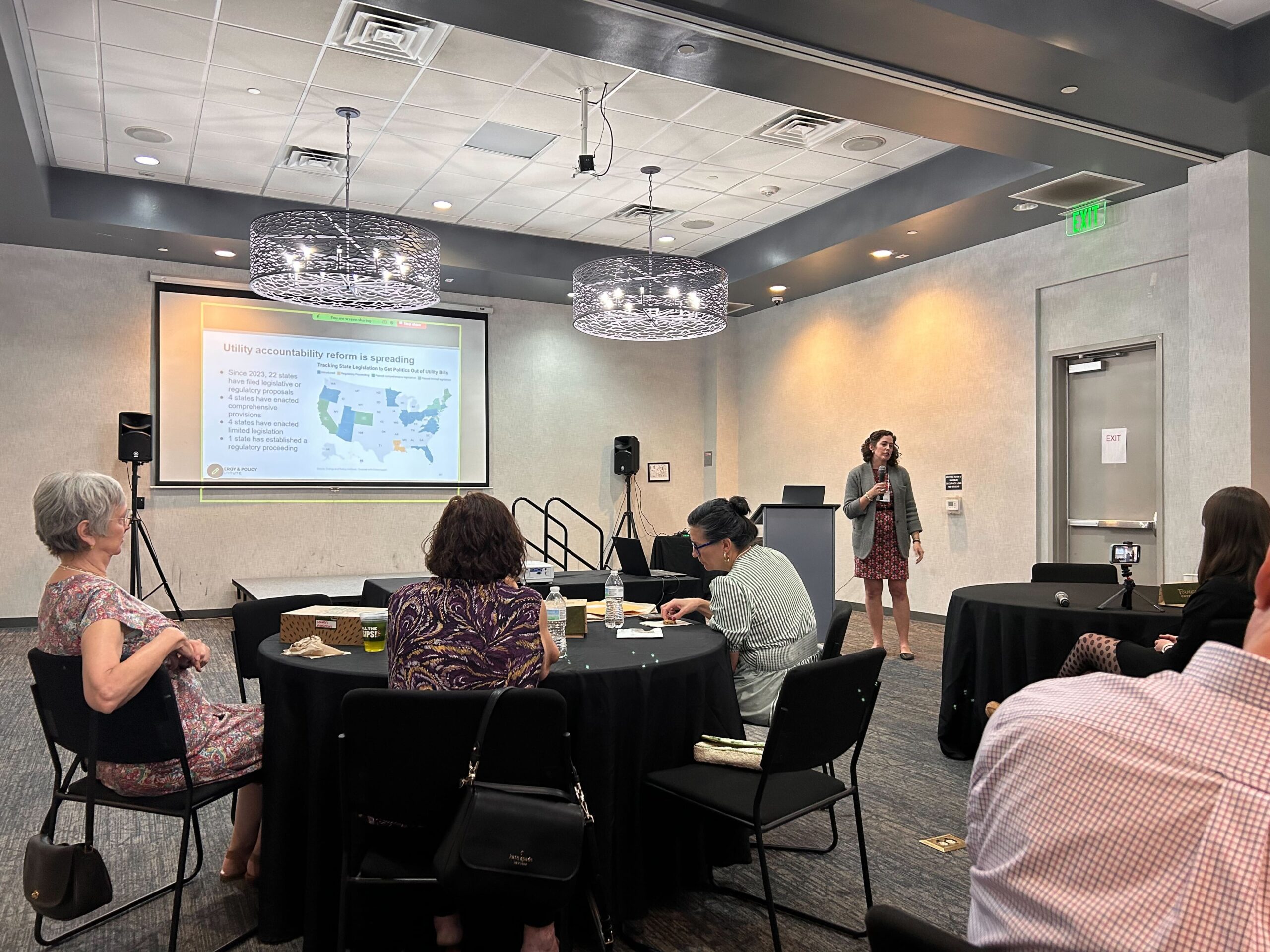
In school, you might take four or five classes a semester, and prepare all year long for final exams. But if you are a Nevada state lawmaker, you have hundreds of bills to consider each legislative session, and only four months to make decisions on them. Most states hold a legislative session annually, but Nevada’s happens just once every two years. That’s not much time to cram. That’s why Solar United Neighbors, in partnership with the Solar Energy Industries Association (SEIA) and Vote Solar, recently brought Nevada lawmakers together for something called a legislative “Solar Salon.” This working lunch series educated legislators about residential rooftop solar and built momentum for distributed solar policy. These topics can be complicated and wonky, and we wanted to give lawmakers an opportunity to help them prepare ahead of the next legislative session slated for 2027, so they can make the best decisions for their constituents.
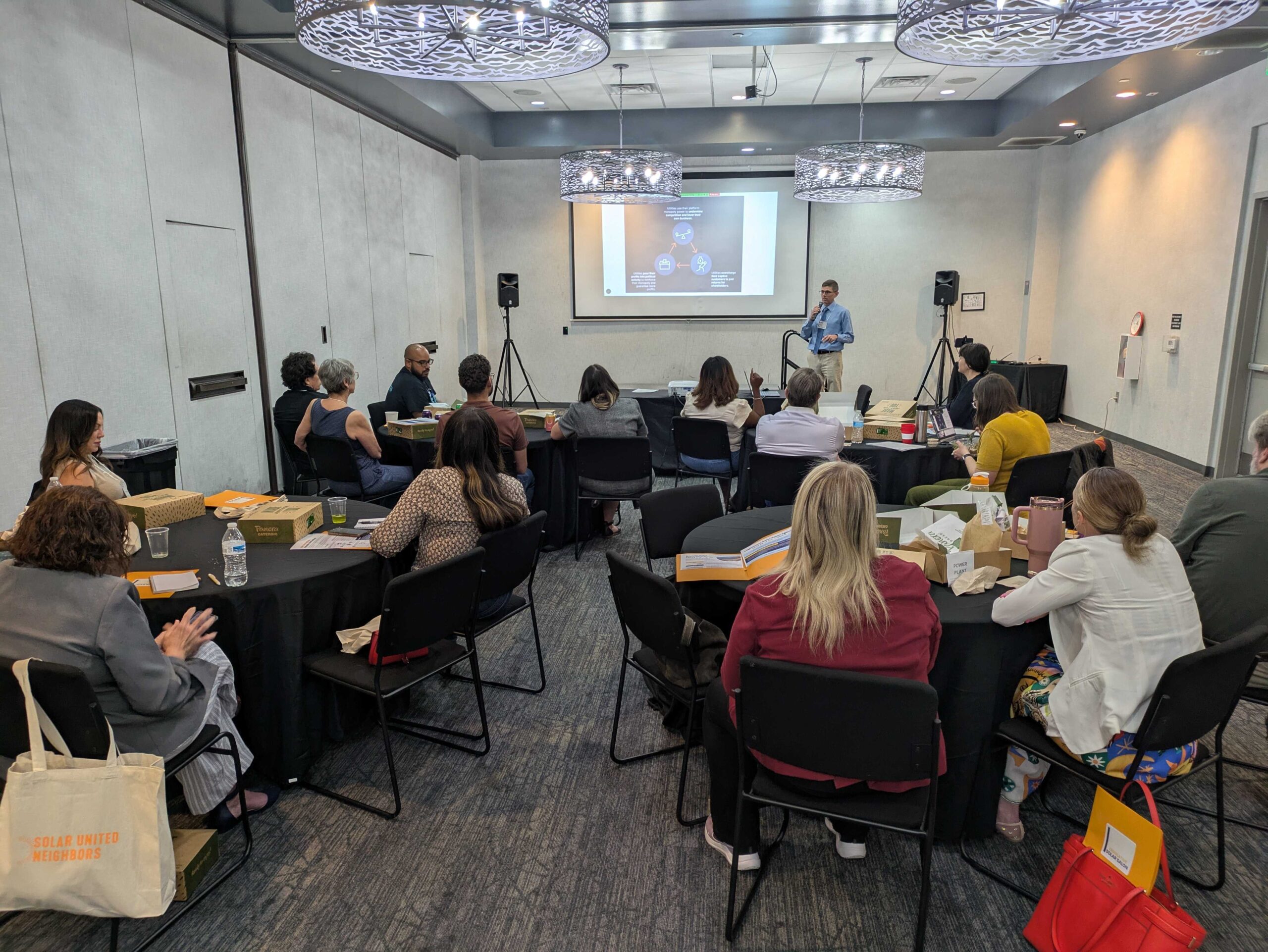
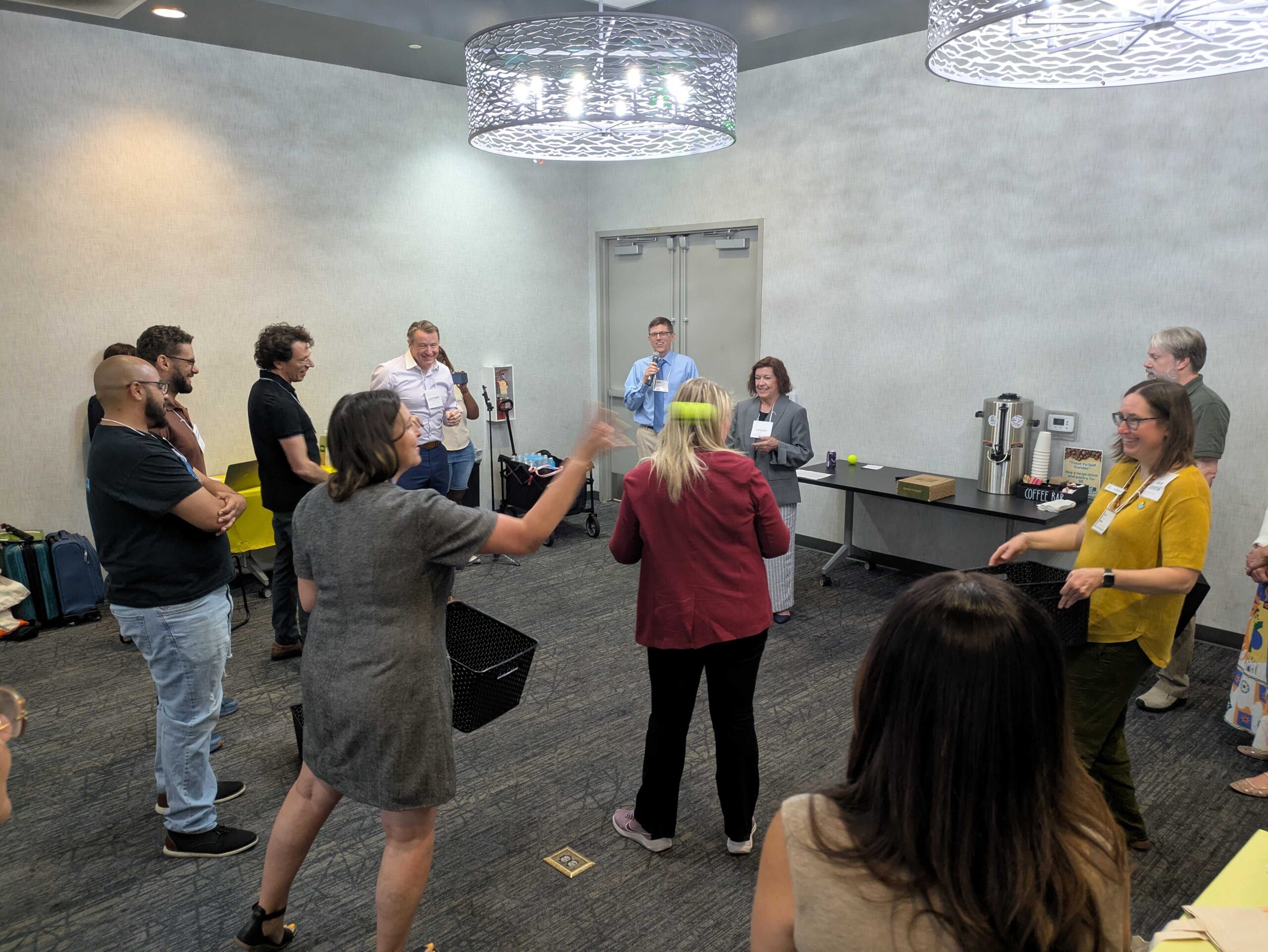
Held over two separate sessions in Las Vegas, lawmakers weren’t alone. Solar advocates from across the state joined them to learn more about distributed energy and how smart policy can unlock its capacity in a state with the most per capita solar potential in the U.S. Bringing legislators and everyday Nevadans into the same room to talk about distributed solar is rare. Most policy conversations happen between utilities and lawmakers, without the ratepayers affected by these decisions. The Solar Salon series was designed to change that.
Introducing lawmakers to the benefits of distributed solar
Our energy system has long been highly centralized, with electricity generated at large power plants and distributed outward to customers. The Solar Salon series pointed toward a different model, one that is already taking shape: decentralized and locally-generated energy.
SUN’s Nevada team and partners explained to lawmakers how distributed solar, paired with storage and emerging technologies such as virtual power plants, allows energy to be generated closer to where it is used and shared across communities. And it isn’t only for homeowners; community solar and plug-in options open it up to renters too. This shift increases resilience and gives customers a more active role in their energy system. As Nevada plans for growing energy demand, building toward a more distributed grid will be key to ensuring reliability, affordability, and access for everyone.
Setting the record straight on solar
A key focus of the series was making the case for distributed solar’s full range of benefits, including ones that standard utility planning often leaves out. Rooftop solar energy benefits everyone, including those who can’t install it themselves. More solar creates good jobs, benefits public health, increases energy security, and strengthens the grid overall.
Who’s watching the utilities?
The series also examined utility accountability: how utilities plan, invest, and communicate costs, and what oversight ensures those decisions serve the public. SUN Nevada raised concerns about excessive utility profits. The Public Utility Commission of Nevada (PUCN) sets how much profit utilities can generate from the infrastructure they build, such as wires and poles. This is called their “rate of return”.
NV Energy, the largest electric utility in Nevada, has a 9.5% rate of return, which is significantly higher than the average market return of around 6%. This raises real questions about what those premium profits cost ratepayers. Strong utility accountability is essential to expanding less-expensive, locally generated solar, and it’s what SUN Nevada fights for every day.
What’s at stake for Nevadans
The policies discussed during the Solar Salon have real impacts on Nevada families, especially as electricity costs continue to rise. To make this connection for lawmakers, members of SUN Nevada’s Solar Action Team were also present at the sessions, and had the opportunity to speak directly with decision-makers about how these issues affect their households.
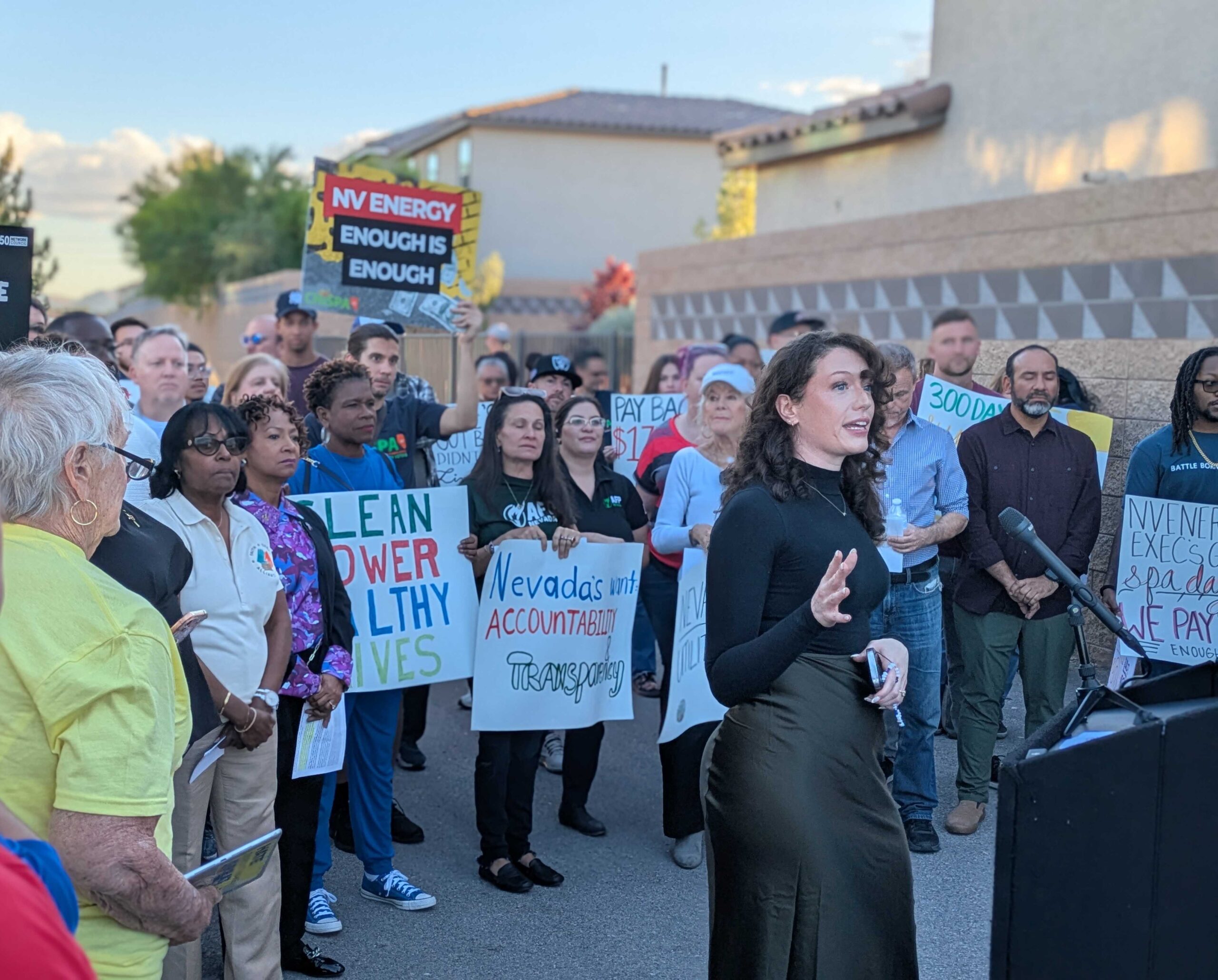
Solar Action Team members asked a simple question: If rooftop solar can lower energy costs, strengthen the grid, and reduce reliance on fossil fuels, why are policies continuing to make solar less accessible? Nevada’s energy system should work for residents, not just utility profits.
The choice ahead
Nevada leads the country in per-capita solar potential. As the state grows and energy demand rises, the choices made today will determine whether it builds on that advantage or falls behind. Policymakers have a critical opportunity to protect and expand solar access, ensure fair rates, and build a more resilient grid.
Solar access also needs to reach beyond homeowners. Nevada lawmakers should consider policies that make solar accessible for renters, like community solar and plug-in solar. By bringing legislators, advocates, and community members together, SUN Nevada is working to make sure Nevada’s energy future is shaped by the people who live with it, not just the utilities that profit from it.
Get the latest on solar straight to your inbox.
Fight for your solar rights.
Everyone has the right to go solar. Spread the sunshine nationwide and in your local community by taking action, joining events, and more.