Rural voices, real impact: REAP recipients bring their voices to Washington, D.C.
- Rural Energy for America Program
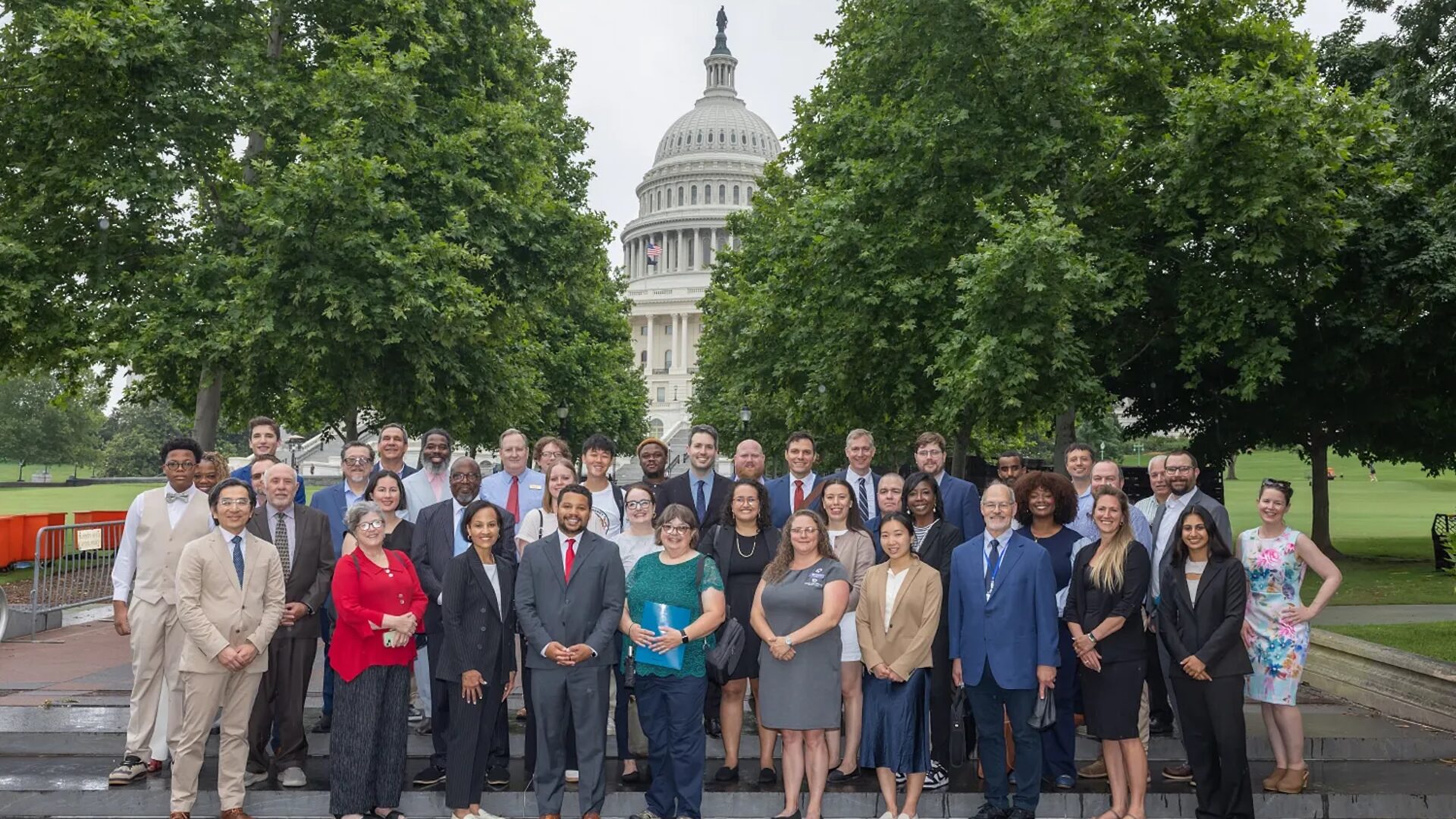
When Congress debates the future of the Rural Energy for America Program (REAP), numbers matter, but the people behind those numbers matter even more.
That’s why Solar United Neighbors Action (SUN) joined farmers, rural business owners, energy advocates, and REAP recipients from across the country in Washington, D.C., to meet directly with lawmakers and their staff. Their message was simple: REAP works, and rural America needs it back.
Our delegation included SUN Action Executive Director Anya Schoolman and West Virginia State Director Leah Turgeon along with four organizational leaders: Dan Conant of Solar Holler, Greg Thompson of OVP Family, Chris White of Appalachian Stream Restoration (ASR), and Adam Schaller of Lakeshore Die Cast. Together, they shared firsthand stories about how REAP helps lower energy costs, strengthen local businesses, and create opportunities in rural communities.
“Every meeting reinforced something we’ve always known: when lawmakers hear directly from the people whose businesses and livelihoods have benefited from REAP, it changes the conversation. These aren’t abstract policy discussions. They’re about helping farmers and small businesses save money, stay competitive, and invest in their communities.”
— Anya Schoolman, Executive Director of Solar United Neighbors Action
For Leah Turgeon, those conversations were especially meaningful because she has seen REAP’s impact throughout West Virginia.
“It was inspiring to bring the voices of West Virginia businesses directly to Capitol Hill,” Turgeon said. “REAP has helped businesses across our state lower operating costs and become more resilient. We want every eligible farmer and small business to have that same opportunity, and that starts with getting the program back up and running.”
A program that delivers results
Since its expansion in the bipartisan 2008 Farm Bill, REAP has supported more than 25,000 projects nationwide, catalyzing nearly $4.8 billion in rural investment across all 50 states. The program is consistently oversubscribed; a clear sign that demand continues to outpace available funding.
REAP provides grants and loans that help farmers and rural small businesses invest in renewable energy systems and energy efficiency improvements. Those investments lower operating costs, improve competitiveness, and keep more money circulating in rural communities.
In West Virginia alone, the impact has been significant.
Between 2008 and 2025, 345 rural businesses received more than $21.2 million in REAP grant obligations.
- West Virginia’s 2nd Congressional District: 213 businesses received more than $12.2 million.
- West Virginia’s 1st Congressional District: 132 businesses received more than $9 million.
Those investments have helped businesses across the state reduce energy costs through projects like:
- Moses Automotive in Cabell County, which received a $349,398 grant for a solar installation.
- Three Springs Industrial Park in Brooke County, where a REAP-funded solar array offsets 100% of the facility’s electricity use.
- Duffield, Lovejoy & Boggs Law Firm, which installed solar to offset more than 40% of its electricity.
- Bonazzo & Suesli Real Estate, which also used REAP to lower long-term energy costs.
The story is similar across the country.
In Iowa, REAP has helped businesses like Meuser Lumber offset more than 70% of its electricity use through rooftop solar, saving thousands of dollars each year. Farmer Alex Schafers used REAP assistance to purchase a more efficient grain dryer, cutting energy use by 73%, reducing propane consumption by half during harvest, and saving nearly $8,000 annually.
These projects don’t just reduce utility bills — they strengthen rural economies, create local jobs, and help businesses invest in their future.
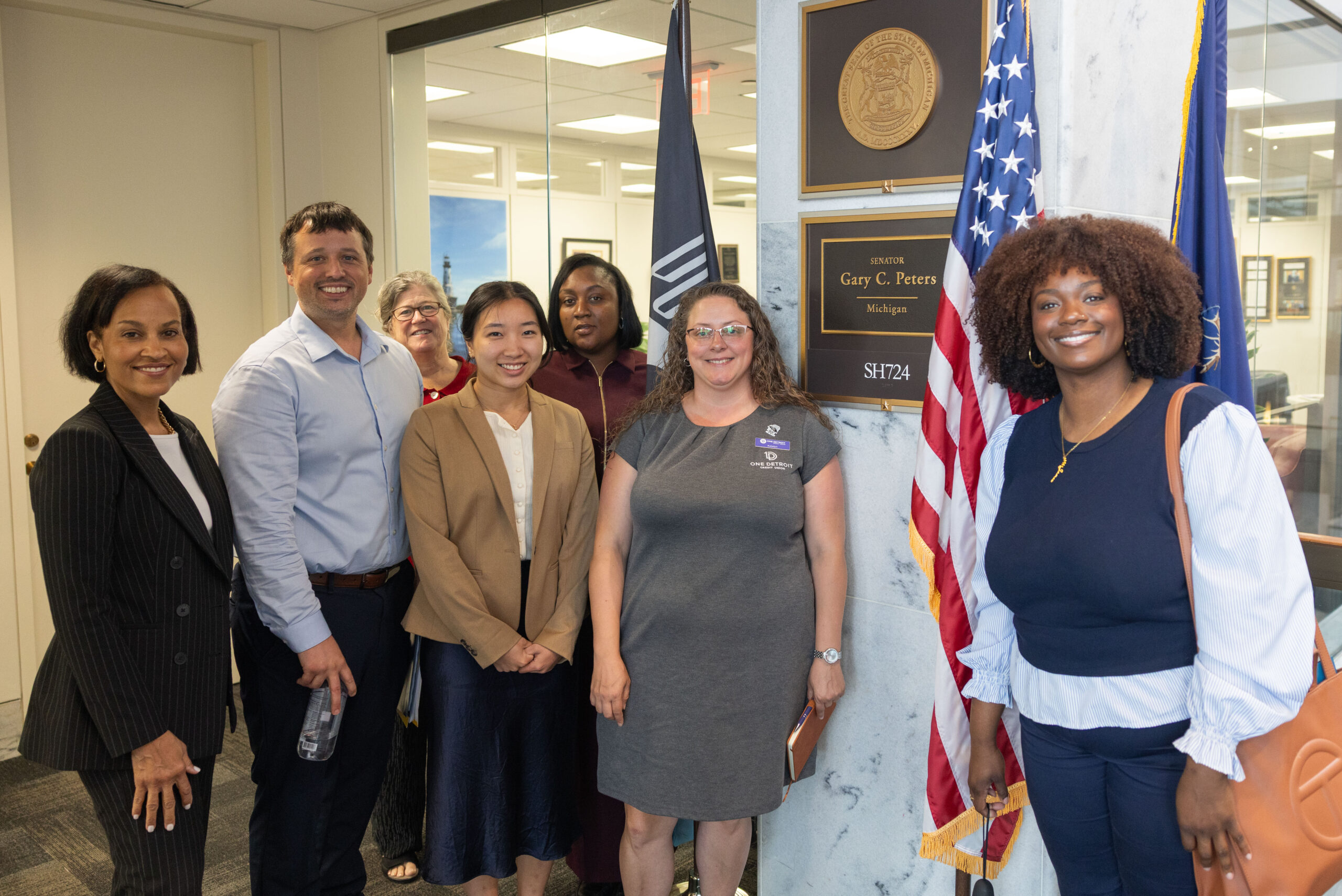
Why advocates came to Washington
Despite its success, REAP has been largely inaccessible for more than a year.
REAP grants have been closed to new applications since March 31, 2025. Earlier this year, USDA announced that pending applicants would need to reapply, with no timeline for reopening the program.
That uncertainty has left farmers, ranchers, rural businesses, and contractors waiting while tens of millions of dollars in energy projects remain stalled.
As businesses face higher operating costs, market uncertainty, and tighter margins, delaying REAP means delaying investments that could lower energy expenses and improve long-term financial stability.
That is why advocates traveled to Capitol Hill to urge Congress and USDA to resume processing applications and reopen the program as quickly as possible.
Progress on the Farm Bill
There was encouraging news during the fly-in.
The Senate Farm Bill proposal does not include the anti-solar and anti-farmer choice provisions that appeared in the House version.
Those House provisions would have made it significantly harder for farmers and rural businesses to use USDA programs like REAP for solar projects by restricting eligible land and imposing sourcing requirements that would have disqualified most projects.
SUN Action appreciates that these provisions were left out of the Senate proposal and continues to advocate for preserving farmers’ ability to choose the energy solutions that make the most economic sense for their operations.
Rural stories make the difference
Throughout the meetings in Washington, one thing became clear: data helps, but personal stories move policymakers.
Every business owner who has lowered energy costs, every farmer who has improved efficiency, and every rural employer who has invested savings back into their community helps demonstrate why REAP remains one of the federal government’s most successful rural development programs.
As Congress continues its work on the Farm Bill and the future of REAP, those voices will continue to matter.
Because protecting REAP isn’t just about preserving a grant program; it’s about giving rural communities the tools they need to thrive.
Get the latest on solar straight to your inbox.
Fight for your solar rights.
Everyone has the right to go solar. Spread the sunshine nationwide and in your local community by taking action, joining events, and more.