If you live in rural Nevada, you might co-own your utility.
- Solar accessibility
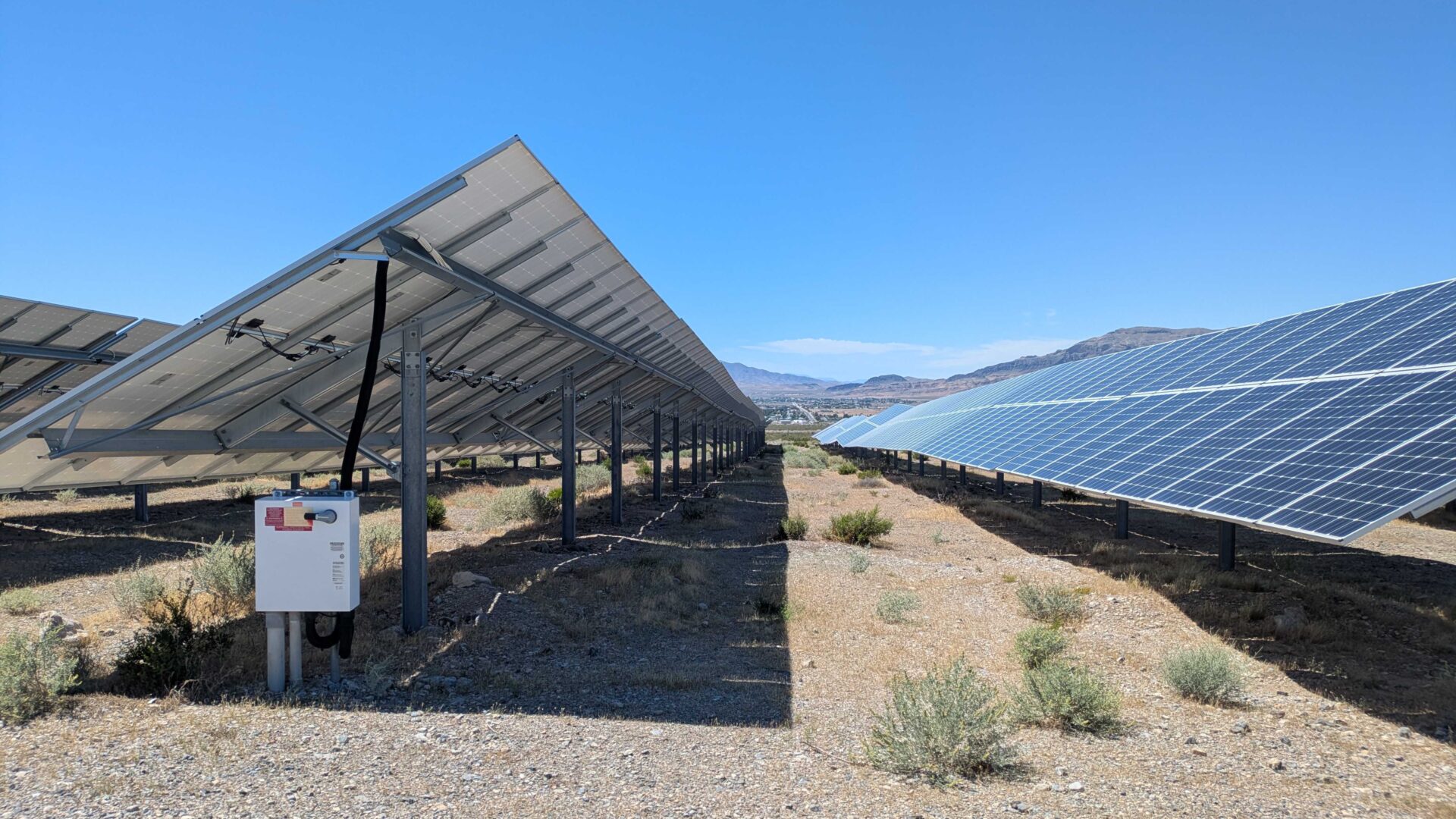
While a light might turn on instantly, the process to electrify the country took a lot longer. Cities were the first places to be wired for electricity, starting in the late 1800s. As late as the 1930s, the vast majority of rural Americans did not have electricity. The investor-owned utilities the provided electricity did not believe providing electricity in rural areas would be profitable.
Rural electric cooperatives were created to fill this gap and rural communities came together to start their own utilities. They did so with the help of funding from the New Deal. This brought power to communities that had been left behind and helped transform rural life across the country. This includes Nevada. Today, rural electric cooperatives provide electricity to about 10 percent of Nevadans.
The spirit of taking control of where your energy comes from that sparked these cooperatives is needed today. Owing to their unique structure, cooperative customers have a real say in how it operates. This is an opportunity for cooperative customers to ensure their cooperative protects their right to go solar. SUN has resources to help cooperative members do this.
What are rural electric cooperatives?
A rural electric cooperative provides electricity within a defined rural service territory. If you receive that electricity you aren’t just a customer, you are an owner. Each member-owner has one vote to elect a board of directors, which governs the cooperative by setting policies and hiring executive leadership.
Rural electric cooperatives are often referred to simply as co-ops. However, they are distinct from solar co-ops. A solar co-op is a group of neighbors who go solar together.
Nevada’s rural electric cooperatives
Rural electric cooperatives play an essential role in Nevada’s energy system, especially in rural communities that are not served by an investor-owned utility like NV Energy. The state is home to six electric cooperatives, including Valley Electric Association, Mount Wheeler Power, Lincoln County Power District, Wells Rural Electric Company, and Overton Power District No. 5. These cooperatives collectively serve large, sparsely populated regions across the state.
Like cooperatives across the country, most Nevada electric cooperatives do not generate their own electricity. Instead, they purchase power from federal or regional providers and distribute it to their members. Many Nevadans served by cooperatives may not realize they are member-owners. That means they have the power to vote in board elections and shape the direction of their utility. While some cooperatives are beginning to prioritize transparency and member engagement, others continue to be influenced by long-standing leadership that may resist change.
Unfortunately, these cooperatives are holding on to outdated policies that limit their member-owners’ ability to go solar. Specifically, they do not provide them fair credit for the solar electricity they generate. This is called “net metering.”
But there is a path for change. Cooperatives have to answer to member-owners. Member owners can advocate for their solar rights and push for fair policies like net metering. Member-owners who support solar should engage with their cooperative board and leadership to help them understand that solar can benefit all cooperative members.
Making sure cooperativess function well
Since cooperatives are governed by their own boards rather than regulated in the same way as investor-owned utilities, policies like net metering and rules for connecting solar, can vary widely from one cooperative to another. For a cooperative to treat solar fairly, it needs an engaged group of member-owners and a board of directors that is responsive to those members. Access to residential solar can look very different depending on where you live. In some cooperative territories, member-owners face additional barriers such as limited net metering, lower compensation rates, or other restrictive policies that make going solar more difficult.
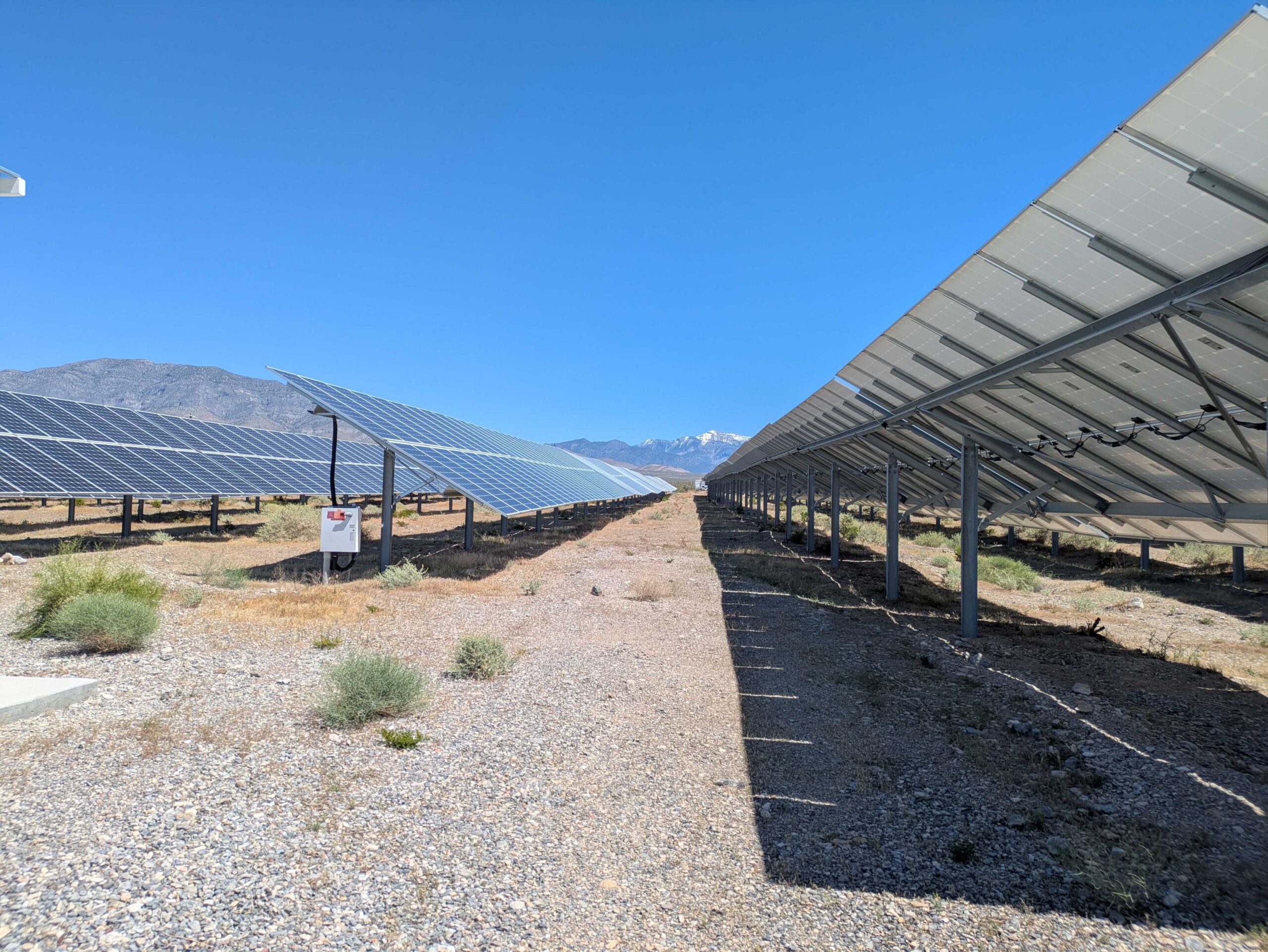
With over 300 days of sunshine per year, Nevada has an abundant resource that remains underutilized. Nevada’s rural electric cooperatives are governed by the state rules that Nevada’s utilities must source 34% of their energy from renewables now and 50% by 2030. Due to a sudden increase in need for energy, Nevada is likely to fall short of these goals. Expanding solar in cooperative territories would lower energy costs, increase local resilience, and give member-owners more control over their energy by democratizing it.
Our work with rural co-op members
Solar United Neighbors is working with cooperative members across the country, including in Nevada, to expand access to solar and strengthen member participation.
We support member-owners who want to:
- Run for cooperative boards
- Advocate for fair and transparent policies
- Expand access to rooftop and community solar
- Encourage their utility to generate and/or purchase more solar energy
By connecting member-owners and sharing resources, we are helping build a network of people working to improve their electric cooperatives from within.
Nevada’s Resources:
- Nevada Rural Electric Cooperatives – Check out NREA’s service areas and learn more about Rural Electric Cooperatives.
- NCEF’s Residential Financing Options – Learn how to go solar, purchase battery storage or improve your energy efficiency.
- Rural Power Coalition – Check out more resources and trainings about member activism and engagement
Get the latest on solar straight to your inbox.
Fight for your solar rights.
Everyone has the right to go solar. Spread the sunshine nationwide and in your local community by taking action, joining events, and more.