From solar panels to Virtual Power Plants: my experience with solar, batteries, and supporting the grid
- Stories,
- VPP
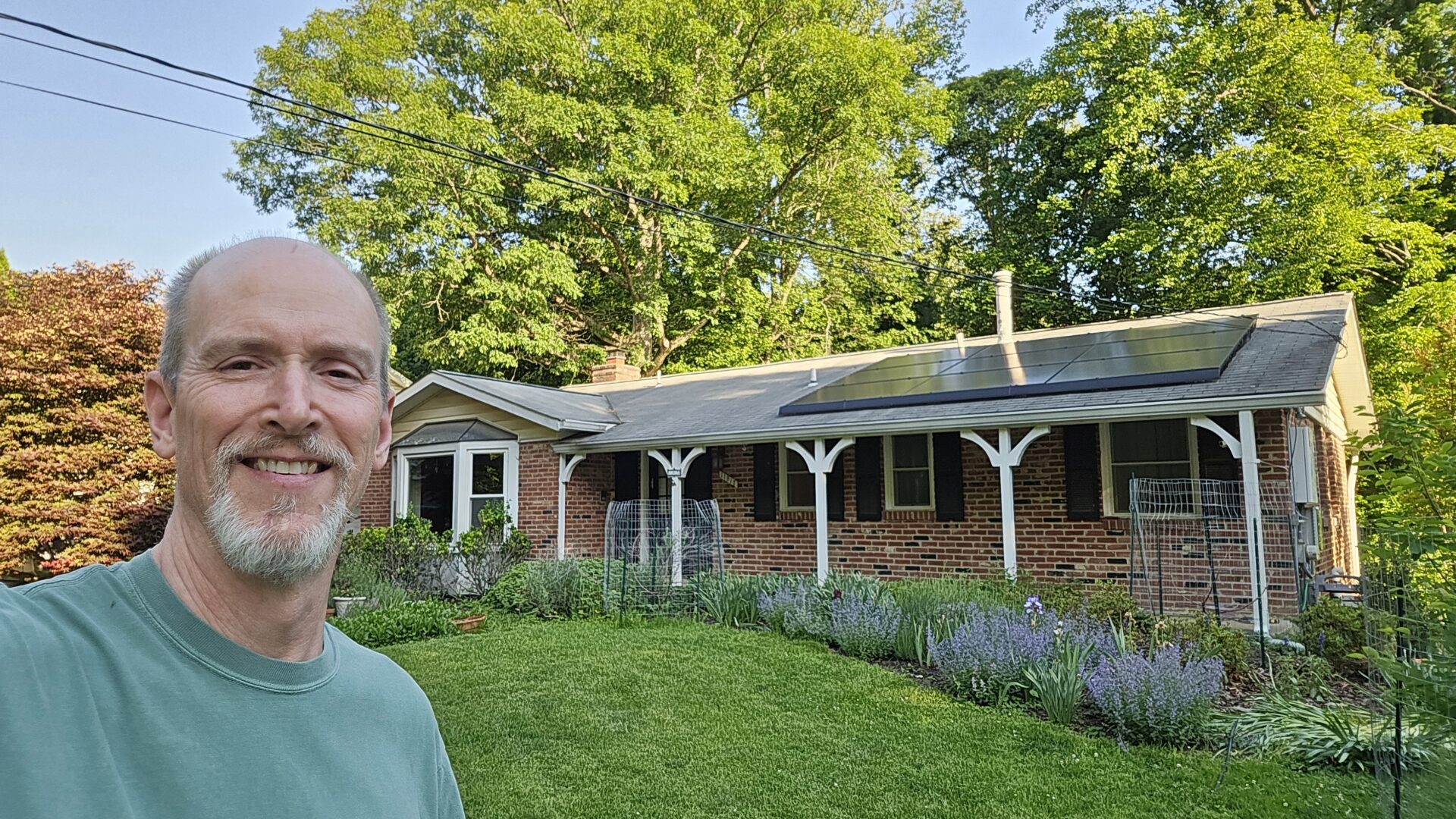
When I decided to install rooftop solar, I was mostly thinking about saving money and making use of incentives before they expired. What I didn’t realize at the time was that my home could eventually become part of something much bigger, a Virtual Power Plant (VPP).
A Virtual Power Plant lets grid operators better coordinate the electricity generated and stored by solar and battery systems like the one I have. It’s not just me. VPPs can connect hundreds or thousands of these devices to meet spiking energy demand. This reduces stress on the grid, making our electric service more reliable and less expensive.
Solar energy has become something of a retirement hobby for me. After I retired from a career in government affairs, I started paying closer attention to energy policy and incentives. When I realized federal tax credits for solar were scheduled to expire, I thought, now’s the time to do it.
I’ve always been a bit of a policy and data nerd, so once I committed to solar, I really wanted to understand how the economics would work. I downloaded my electric bills, built a spreadsheet, and started calculating how long it would take to break even on the investment.
After my system was installed, the results were pretty clear. My solar panels generate roughly as much electricity as my household uses over the course of a year. That means I’m no longer really buying electricity from the utility.
I still pay about $8 a month, which is basically just the fee to stay connected to the grid. Otherwise, I’m generating my own power.
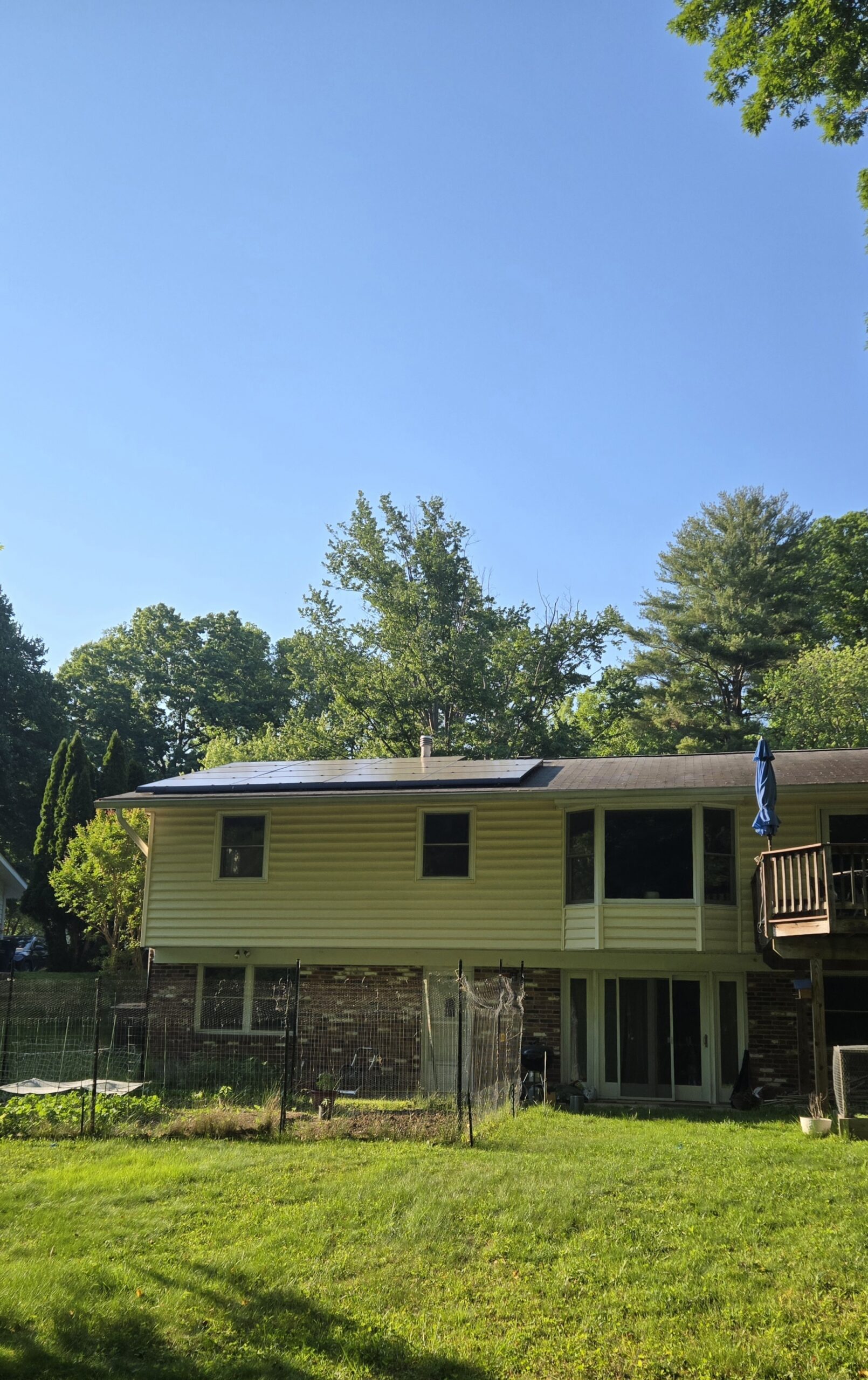
During the sunny months, my system produces more electricity than I use. That extra power flows back into the grid, earning me credits. Then, during the winter months when solar production is lower, I draw those credits down.
It’s like banking electricity. I generate extra in the summer and use it later in the year. Over time, that means I’m effectively paying nothing for electricity.
After installing solar, I started thinking about whether I should also install a battery. Initially, I wasn’t planning to. But when I learned the tax incentives for batteries were also expiring, I decided to move forward.
I installed a 15-kilowatt-hour home battery. The most obvious benefit is backup power. If the electricity goes out, my house switches over to battery instantly. I’ve actually had a couple of outages where I barely noticed. Maybe a light flickered, but that was it.
What surprised me most was realizing how long I could operate during an outage. At first, I assumed the battery might last a couple of days. Then I realized I was thinking about it wrong. While I’m using the battery, my solar panels are also recharging it during the day.
As long as the sun is shining and the panels aren’t buried in snow, I can probably last indefinitely. I might need to reduce my consumption a bit, but the combination of solar and battery makes my home much more resilient.
That’s when I started learning about Virtual Power Plants, and that’s what really got me excited.
The basic idea is simple. Instead of building new power plants to handle spikes in demand, utilities can tap into batteries in homes like mine. If hundreds of homes participate, the combined energy acts like a single power plant.
Utilities traditionally rely on something called ‘peaker plants,’ which are power plants that only turn on when demand spikes, like during hot summer afternoons. These plants are usually fossil fuel-powered and expensive to operate.
Virtual Power Plants offer a better approach. Instead of turning on a peaker plant, utilities can draw small amounts of power from many homes at once.
You might have 100 homes or 500 homes, each contributing a little bit of power. Together, it’s like adding another power plant to the grid — but without building anything new.
I think that’s really good public policy. It flattens demand, makes the grid more reliable, and reduces the need for fossil fuels.
In return, homeowners can be compensated for allowing utilities to draw from their batteries during peak demand events. I’ve heard estimates that something like $500 a year could be enough to encourage participation. It’s not going to pay for the battery, but it definitely helps.
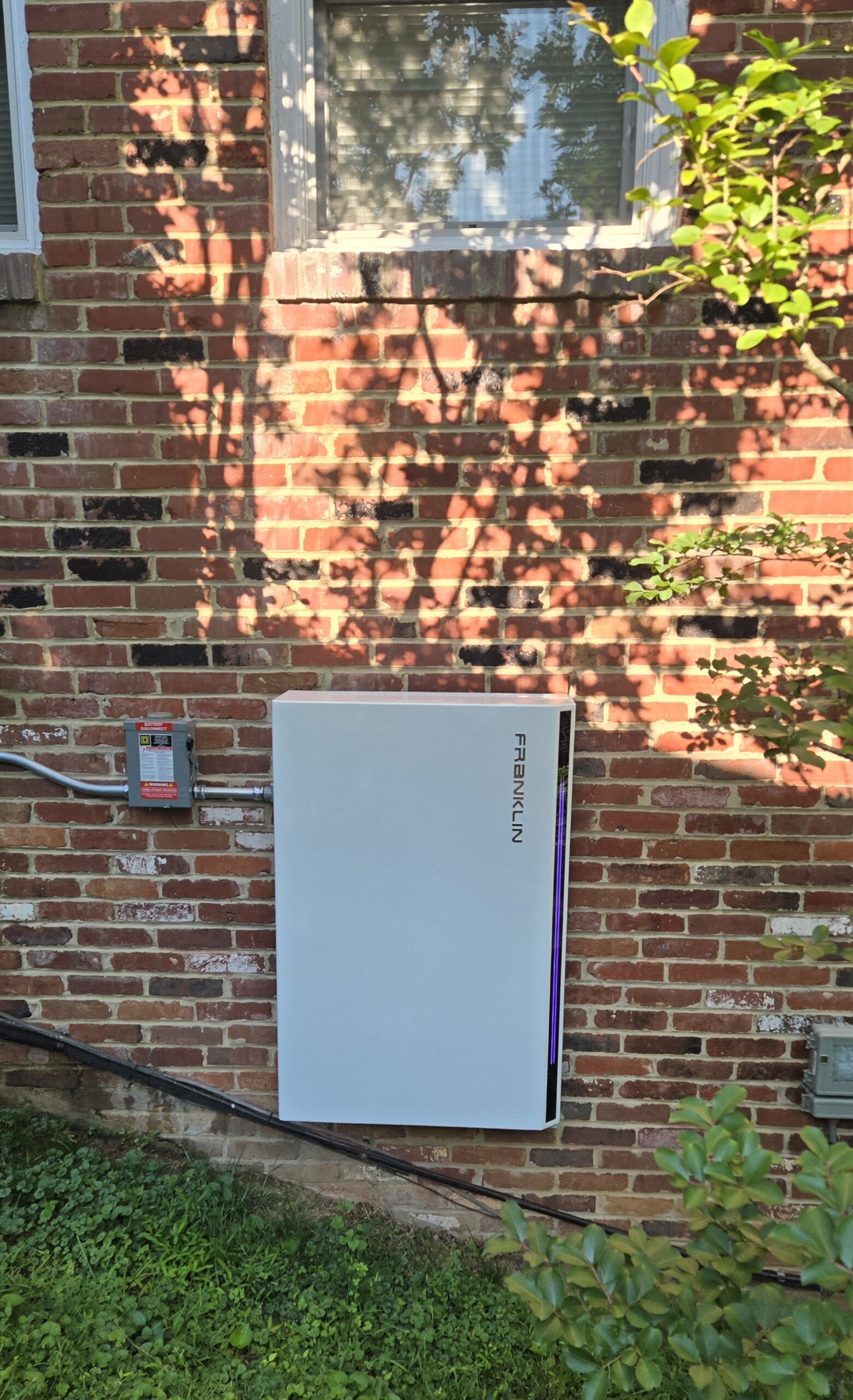
Personally, I’m not concerned about losing backup power during those events. If the grid later goes down, I can simply refill my battery with solar. So the tradeoff seems pretty minimal.
What excites me most is the broader potential. There are already tens of thousands of homes across the country with batteries, and probably millions with solar. That’s a huge resource for grid resilience that we’re only beginning to tap into.
I’ve also seen firsthand how interest spreads. After I installed solar, two of my neighbors decided to install systems as well. When people see the panels and ask about them, the conversation naturally follows.
If Virtual Power Plant programs become more widely available, I’ll definitely be telling my neighbors about that too.
People generally understand the value of solar; you generate power and save money. But Virtual Power Plants take it a step further. They allow homeowners to play a direct role in strengthening the grid while getting more value from their investment.
To me, it feels like the next step in how we think about energy. My home isn’t just using electricity anymore. It’s helping produce it, store it, and eventually, I hope, support the grid when it’s needed most.
Virtual Power Plants could be incredibly beneficial for our country. The technology is already here. Homeowners are already investing in solar and batteries. Now it’s just a matter of putting the pieces together.
— John Godfrey, Rockville, Maryland
Want to learn more about VPP?
Get the latest on solar straight to your inbox.
Fight for your solar rights.
Everyone has the right to go solar. Spread the sunshine nationwide and in your local community by taking action, joining events, and more.