Everyone benefits from D.C.’s investment in local solar energy
- Energy democracy & policy
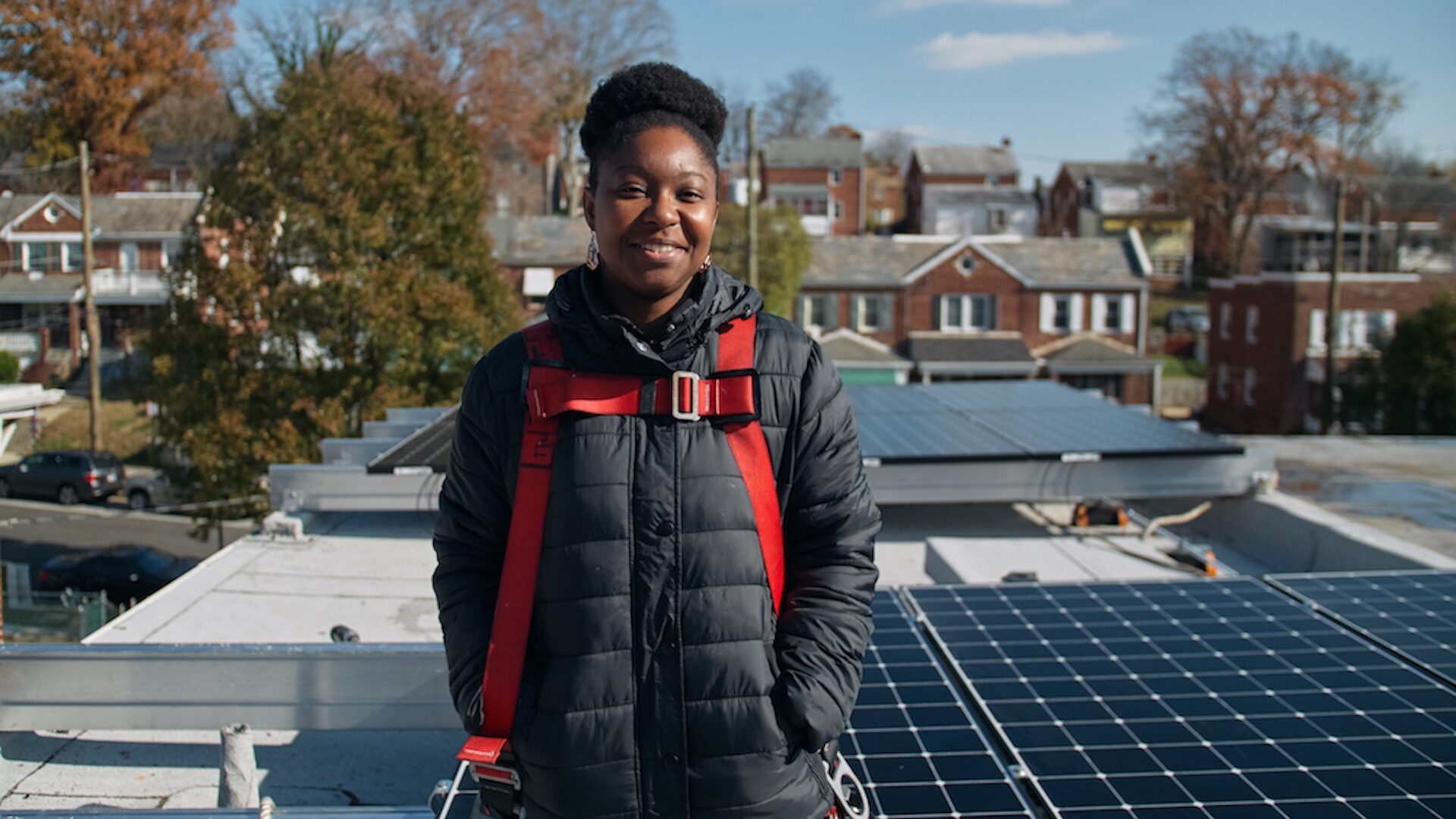
Washington, D.C. is facing an energy affordability crisis. Electricity bills have increased by at least 87% since 2020, the highest increase in the country. District leaders are threatening to make it worse by cutting smart investments into local solar energy. At a council hearing this summer, the Department of Energy and Environment (DOEE) proposed cuts to targets that have grown local solar in D.C., our Renewable Portfolio Standard (RPS). Fortunately, this is just a proposal.
This gives District residents the time we need to educate the Council about what is really driving up D.C.’s energy costs, how local solar helps the whole city, and the policies they need to fight D.C.’s affordability crisis.
Tell the D.C. Council: Keep local solar!
Why are D.C. energy costs skyrocketing?
With the overall cost of living already high, surging energy bills are forcing many families to make painful choices just to keep the lights on, from skipping car payments to cutting back on groceries. Low-income, disproportionately Black and Latino families are being hit the hardest.
So, why is this happening? The crisis comes down to three main issues: rising regional power costs, utility company greed, and a lack of oversight from city regulators. A major driver is PJM, the regional power grid that supplies electricity to the area. PJM’s prices have jumped by nearly $14 billion over the last two years because of a heavy reliance on fossil fuels, delays in connecting clean energy, and the massive power demands of rapidly growing data centers. Pepco buys power from this grid and passes those high costs right along to local residents, with these charges making up about two-thirds of a typical electric bill.
While D.C. leaders cannot control grid prices directly, they can control how much imported power the city relies on by investing in local solar energy and long-term clean power contracts.
Unfortunately, Pepco and local regulators have made it harder to fix the problem. Back in 2018, Pepco lobbied against long-term renewable energy contracts that could have saved residents an estimated $137 million a year. The company has also created extra fees and delays that make it difficult for everyday residents to adopt rooftop and community solar, putting company profits for out-of-town shareholders ahead of local needs. At the same time, D.C.’s utility regulators have repeatedly approved Pepco’s rate increases without enough pushback. As a result, residential utility debt has jumped up by almost 61% — or over $20 million — since May 2022.
Local solar offers D.C. much needed relief
In the midst of this energy crisis, local solar power is one of the strongest tools D.C. has to lower energy bills.
Solar panels, especially when combined with energy storage batteries, energy efficiency tools, and smart power networks, create a win-win situation for the entire city. They lower costs for both solar owners and everyone across the city by reducing D.C.’s reliance on expensive, imported power.
A major independent study from 2023 showed that investing in local solar gives back far more value than it costs. Plus, solar power creates local jobs, keeps money in the community, and strengthens the city’s economy — benefits that make solar an even bigger win for D.C.
Most importantly, local solar can be built right where it is needed most. Energy systems can be placed directly in income-qualified, Black, and Latino neighborhoods, the communities that face the highest power bills, the worst pollution, and the biggest risks from extreme weather. Access to solar in overburdened neighborhoods provides life-changing financial relief, safer homes during heatwaves, and a cleaner environment for the families who need it most.
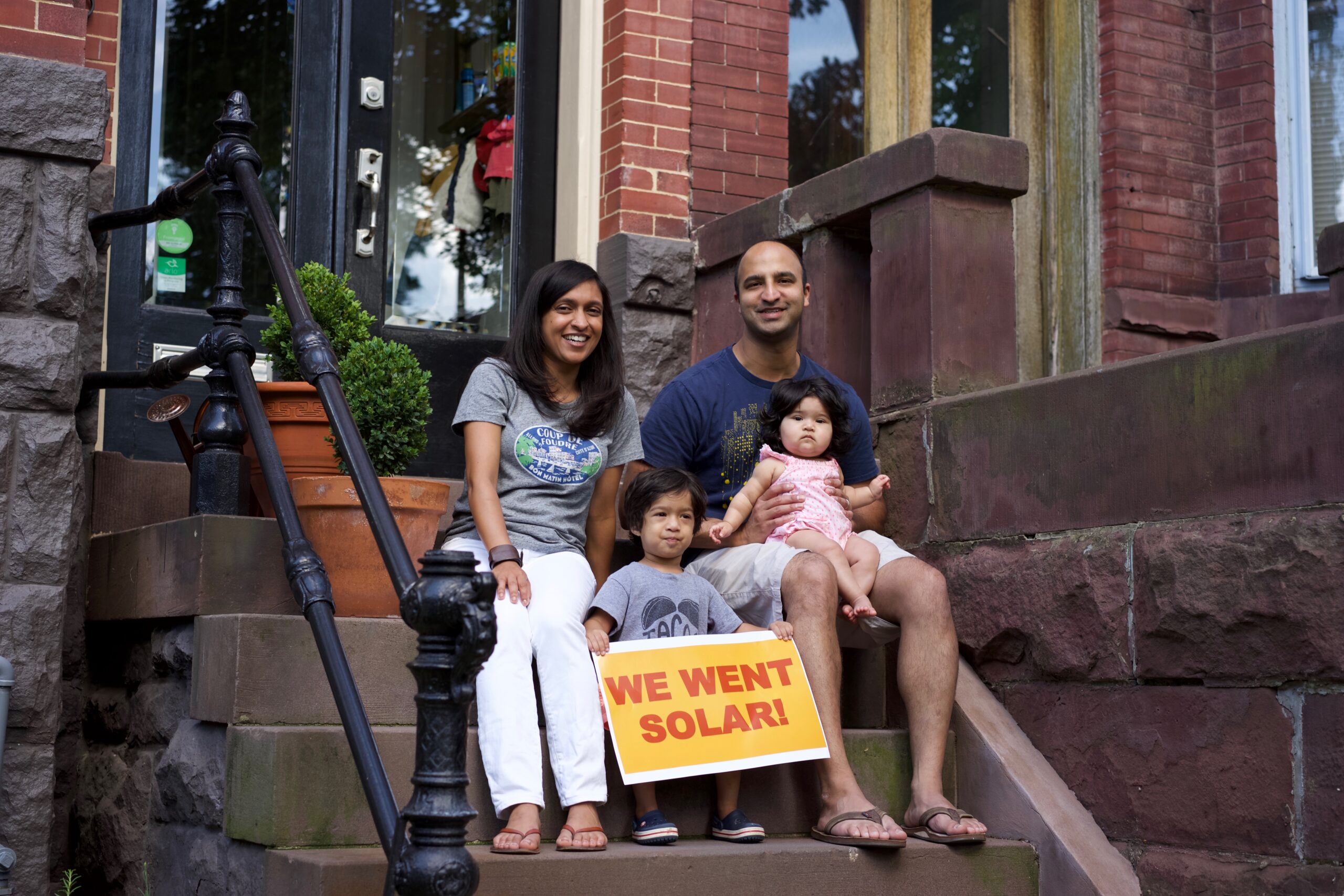
Protect these essential D.C. solar policies
Here’s a breakdown of the solar investments that are currently at risk based on Mayor Bowser’s proposal. If you agree these are programs worth protecting, take action: Urge your council members to protect these essential investments here.
Renewable Portfolio Standard and Solar Renewable Energy Credits (SRECs)
D.C. requires utility companies to meet local clean energy goals, our Renewable Portfolio Standard (RPS). One way utilities can do this is by purchasing Solar Renewable Energy Credits (SRECs). SRECs represent the “green value” of the electricity solar owners generate. Currently, one SREC sells for up to $375 a piece. Most home systems generate five or six SRECs per year. This reduces the payback time for solar and helps more D.C. families go solar.
Solar for All
Solar for All is a D.C. government-created program to bring free solar energy to income-qualified households. Families who qualify receive free rooftop solar or community solar subscriptions, cutting their electric bills by an average of 50%.
Community solar
Not everyone can go solar where they live. This may be because they’re renters or have a roof that’s not a good fit for solar. Community solar lets these folks join a shared neighborhood solar project. Participants subscribe to a local solar array and earn a monthly credit directly on their bill for your share of the power generated.
Net metering
Solar owners don’t always use the electricity they generate themselves. When this happens, their electricity flows out through their electric meter to be used by neighbors. Net metering ensures they earn fair credit for the electricity they’ve generated. When solar owners have a surplus, they earn a credit on their monthly bill.
Tell the council to protect local solar
Ultimately, addressing Washington, D.C.’s energy affordability crisis requires protecting the solar policies that make electricity more accessible, not scaling them back.
District residents still have an opportunity to advocate for local solar as a means to reduce painfully high electricity bills. By urging the Council to support and expand solar policies, D.C. can safeguard its energy future and offer long-term relief to residents struggling with power costs.
Get the latest on solar straight to your inbox.
Fight for your solar rights.
Everyone has the right to go solar. Spread the sunshine nationwide and in your local community by taking action, joining events, and more.