Tough conversations, deeper connections: Lessons from solar organizing in rural Indiana
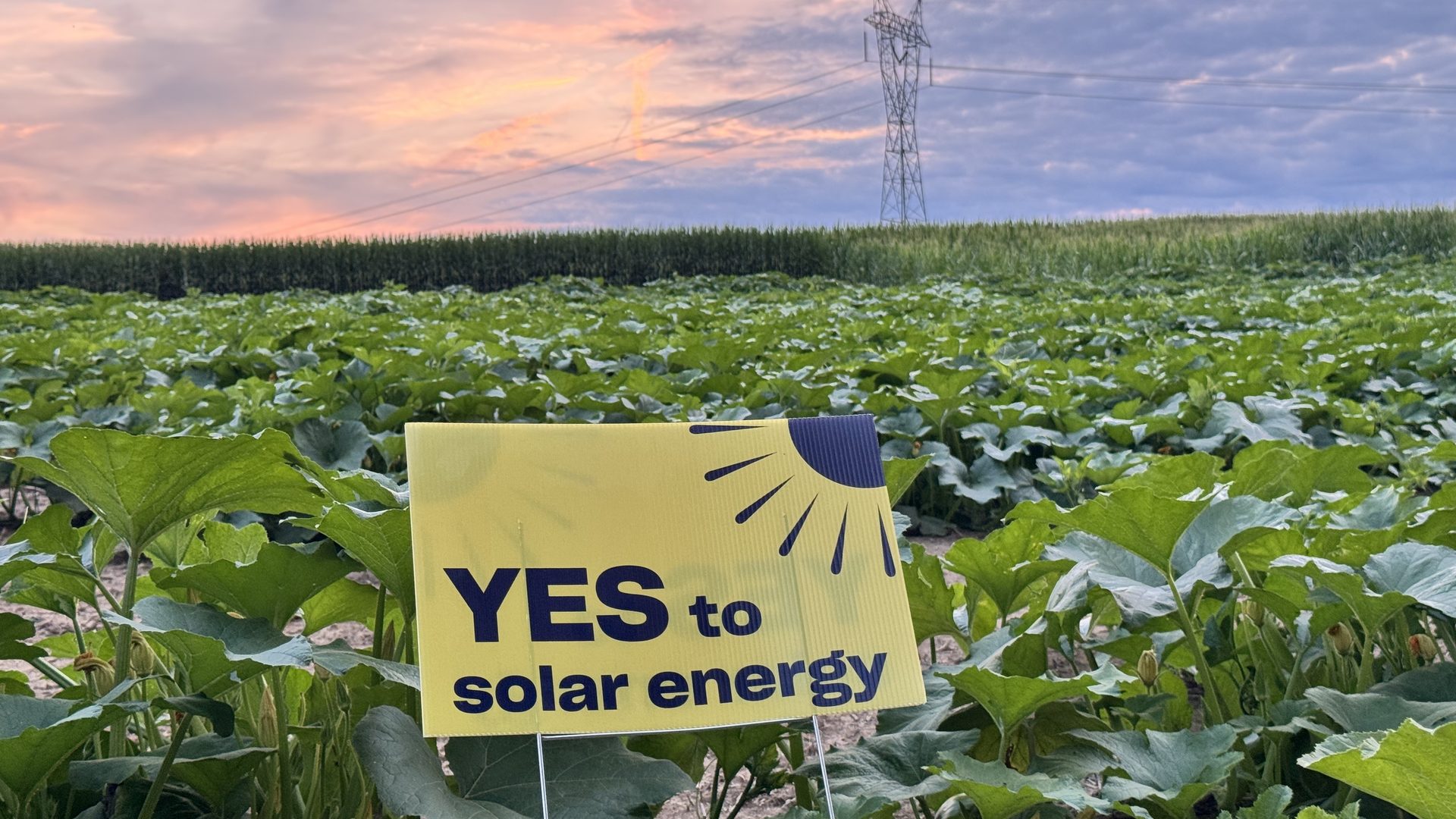
In 2025, Tippecanoe County Commissioners in Indiana wanted to ban utility-scale solar. Erin Charpentier, SUN’s Indiana Rural Organizing Associate, led a motivated team of community members to campaign for more solar in Tippecanoe County. Here’s her conversation with Anna and Jeffrey, two recent graduates from Purdue University, who Erin calls “rockstars volunteers.”
Why are you passionate about solar energy?
Anna: Growing up, I always knew I wanted to do something to give back to people and the environment. That’s why I decided to major in Environmental Studies at Purdue with a concentration in Climate and Energy. Solar is the most accessible form of clean energy. With the right resources, anyone can go solar.
Jeffrey: I majored in computer science at Purdue, so you might be thinking, “why is this comp sci guy doing solar advocacy?” For me, it really comes down to confronting climate change. I’m looking around at all this abundance of the sun, and I know that we already have the technology to save us. We just aren’t using it to its full potential because oil oligarchs are making billions in profit.
We first met at a public hearing in Lafayette on a proposed solar project. What do you remember about that day?
Jeffrey: It was the first week of school, and I was all fired up. It was my first time speaking at a public hearing, and my speech was a total train wreck. I made every mistake in the book: I rambled, I forgot to state my name and address, and the audience laughed at me.
Anna: I went with a group of friends from Purdue’s Sustainable Energy Club just to learn. That’s where I first heard of SUN and learned that people in my community were also passionate about a clean and sustainable future. I was inspired by the testimonies I heard, so I wrote my own on the spot and presented it to the commissioners.
Despite our efforts, the Tippecanoe County commissioners voted to ban utility-scale solar. It was a big loss, but I always like to look on the sunny side (pun intended)! What are your most proud moments from the campaign?
Anna: I invited SUN to join the Sustainable Energy Club for a campus presentation on the solar moratorium. You explained the policy and gave people resources on how to write testimonies in favor of solar. It was great because it wasn’t just Purdue students — other neighbors came, and we had very organic conversations on how we can work together to push for better policies.
Jeffrey: I definitely have become more comfortable with public speaking now. Erin, you really helped me become more confident and pick the right points. I gave another speech in front of the commissioners later on, and it was such an improvement.
Ready to spread the sunshine in your community?
Solar can be a polarizing topic in rural Indiana. How did you approach tough conversations while canvassing?
Anna: When I first started canvassing with SUN, it was a bit scary because I didn’t know who I would talk to. Even when I talked to people who opposed solar, I kept a level head and approached the situation with open communication, instead of putting a bunch of facts on the wall.
Jeffrey: I tried not to even talk about solar in the beginning. I talked to them about something we agreed on, usually an economic issue like energy getting too expensive. Once you build a connection with someone, you can redirect their energy towards taking action for the future they want, which can include solar. You center their humanity instead of talking down to them.
What were the most common reasons people supported or opposed solar?
Anna: A lot of people I met while canvassing supported solar because we need to be putting more sustainable energy onto our grid. Solar is the quickest, cleanest, and cheapest way to do that. However, some people were worried that solar farms would take away farmland for crops. My grandpa was a farmer, so I know that for many families, agriculture is their bread and better. For me, it’s an issue of land rights: farmers should be able to lease their land to solar for their own economic benefit. Plus, solar panels can help restore degraded topsoil by giving it a rest from intensive agriculture.
What have you learned about organizing from this campaign?
Anna: It was eye-opening to understand that while people can be passionate about something, they might not be informed about what’s going on. I met a lot of pro-solar people who had never heard of the county’s solar moratorium.
Jeffrey: Organizing is so empowering. It helps you realize how much power we have as working-class people, if we just stop seeing each other as enemies. When you organize your community, you give people hope. If we give in to apathy, we’re letting the rich and powerful win.
Organizing is so empowering. It helps you realize how much power we have as working-class people, if we just stop seeing each other as enemies. When you organize your community, you give people hope.
— Jeffrey
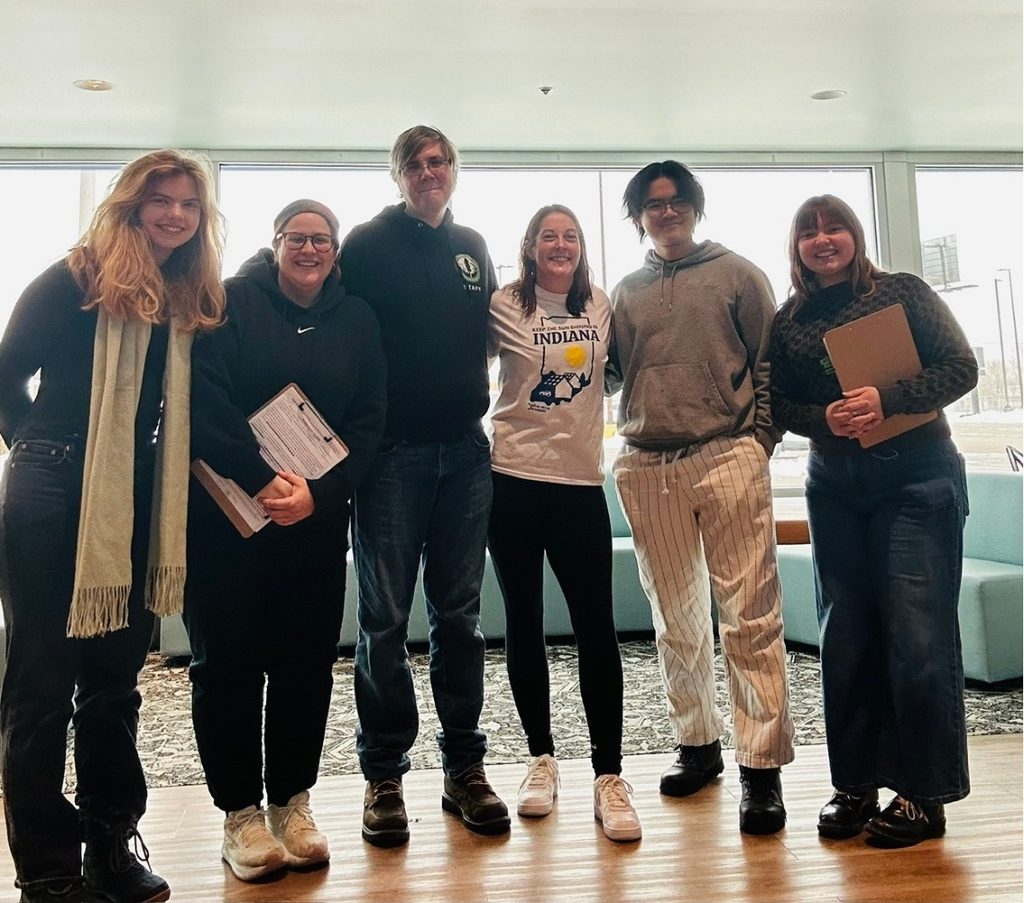
It was so rewarding to watch both of you grow as young organizers over time. Now that you’ve graduated, what do you hope to do with the skills you’ve gained?
Anna: There’s nothing like boots-on-the-ground experience when it comes to organizing. I enjoy connecting with people and having candid conversations about the issues that matter to them. I’d love to start a career at an environmental non-profit to continue this work.
Jeffrey: I’ve grown attached to solar as a means for building community. We have to build our own alternative systems to fossil fuels, and solar is the best option. The people most affected by corporate greed and pollution are the people we need to center when fighting for clean energy. I want to empower these communities to use their voices.
What would you say to someone who is excited about solar, but might be nervous about volunteering?
Jeffrey: You don’t need to have read a million books on organizing to volunteer with SUN. You already have so much power, if only you could recognize it. But If you’re not showing up to the meeting, your voice is not being heard right now. SUN was super great at getting me out of my comfort zone and also giving me a sense of community to feel safe and supported.
Anna: It can be intimidating, but if you are passionate about solar, it’s so rewarding. There are so many ways to make an impact, whether it’s writing emails, canvassing, testifying at hearings, or making colorful signs. You might not know what role is best for you, but SUN can point you in the right direction.
Grow solar in your community
Get the latest on solar straight to your inbox.
Fight for your solar rights.
Everyone has the right to go solar. Spread the sunshine nationwide and in your local community by taking action, joining events, and more.