Solar, minus the red tape: plug-in solar could bring affordable energy to millions
- Solar affordability
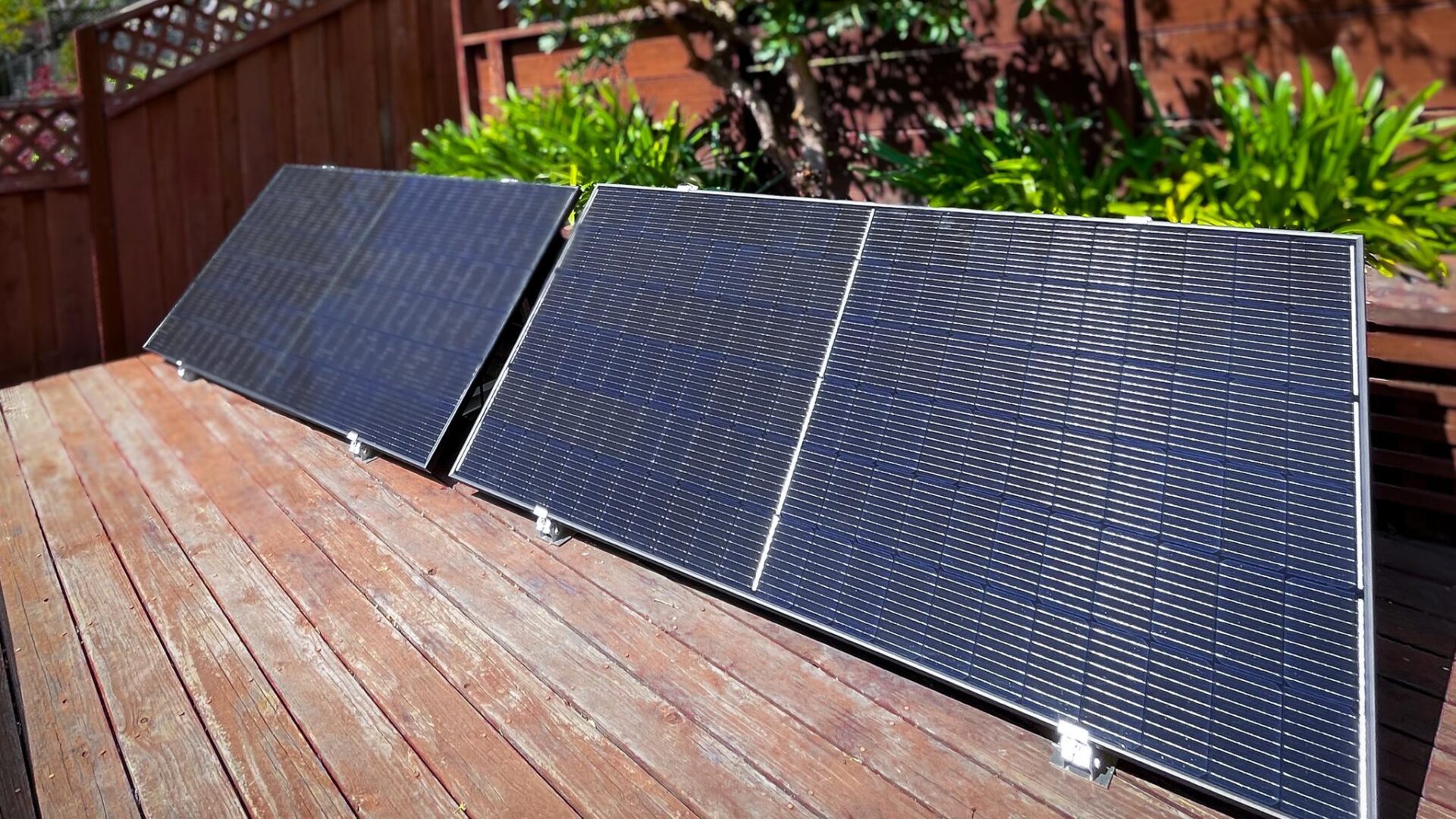
Imagine visiting your local hardware or home improvement store, and next to the toaster ovens, blenders, and televisions is an aisle for solar power, filled with “plug and play” portable solar panels. You pick out a system to fit your needs, and at home, you install the panel outside your window and plug it in a wall outlet. It’s a sunny day, and the panel instantly starts generating electricity for your air conditioner and other needs. No paperwork, permitting, or interconnection fees — just clean, affordable power.
This kind of solar power — known as “plug in solar” or “balcony solar” — could be the next big step for solar access in the United States. Plug-in solar panels are small, affordable systems. They can generate up to 1,200 Watts, enough to power a large refrigerator, and cost between $400–$2,000. Smaller systems can be plugged into a standard home outlet. As electricity prices skyrocket nationwide, these solar panels are an easy way for families to lower their energy bills and take charge of their energy.
Want to learn the ins and outs of plug-in solar systems? Read our plug-in page!
Utah pioneers bipartisan legislation for plug-in solar
In Europe, plug-in solar is already helping families save money on their electric bills. When the Ukraine–Russia war broke out, prices for natural gas went up, motivating many Europeans to search for affordable energy alternatives. Germany is leading the pack — plug-in installations have grown tenfold since 2022, reaching nearly 1 million systems, and now more than 5 million European households are using plug-in solar.
But in the United States, this common-sense solar system is only available in one state: Utah. In March 2025, legislators, led by Republican Representative Raymond Ward, unanimously passed legislation to make plug-in solar available for Utah families. The legislation creates safety standards and eliminates burdensome requirements that were designed for larger solar systems. It makes plug-in solar safe, regulated, and affordable.
People in other states still need legislation to cut through the red tape. When you buy a new hair dryer, you don’t have to get a permit or pay a fee to start using it. So why should small solar panels be any different? Removing unnecessary barriers can help solar panels go mainstream, and allow more families to have more choice in their energy decisions.
Legislation is also necessary to create a strong market for plug-in solar – no public subsidies required. Right now, you can’t go to the store and buy plug-in solar panels.But when more states legalize plug-in solar, we will have more options.
Who would benefit from plug-in solar?
Maybe you’ve been curious about solar energy, but can’t afford the initial investment of traditional rooftop solar panels. Or you’re a renter or don’t have access to subscribe to a local community solar project.your window, porch, backyard, or balcony.
While a small plug-in system won’t cover all of a household’s energy needs, it can make a dent in rising energy costs. A typical 1,200 Watt system – the power limit established in Utah’s legislation – can help power household appliances at the same time, or help offset the energy demands of an air conditioner, dryer, and refrigerator. This can save a typical household nearly $350 per year.
People in rural areas, who too often have to rely on costly diesel generators to keep the lights on, will also benefit from easy plug-in solar. Plug-in solar can also be paired with battery storage to boost resilience during blackouts, keeping food fresh in the fridge and medical devices connected to power.
More solar, less red tape: how to advocate for plug-in solar in 2026
Several states are following Utah’s lead by introducing legislation for plug-in solar. As of February 2026, bills are in the works for more than 20 states! This includes: Alaska, Arizona, California, Colorado, Georgia, Hawai’i, Idaho, Iowa, Illinois, Indiana, New Hampshire, New Jersey, New Mexico, New York, Maine, Maryland, Missouri, Oklahoma, Oregon, Pennsylvania, Rhode Island, South Carolina, Vermont, Virginia, Washington, and Wyoming.
Americans are eager to take energy generation into their own hands. As legislators roll back federal solar investments, we aren’t waiting around for utility companies or state and local governments to lower our electric bills. With plug-in solar, millions of families can start generating affordable energy. It can be as easy as plugging in to an outlet – but only if our legislators take action. Check out what’s happening in your state and what you can do to get plugged in!
Tell your lawmakers to enable plug-in solar.
Get the latest on solar straight to your inbox.
Fight for your solar rights.
Everyone has the right to go solar. Spread the sunshine nationwide and in your local community by taking action, joining events, and more.