How Nevada can build large-scale solar that works for everyone
- Guide
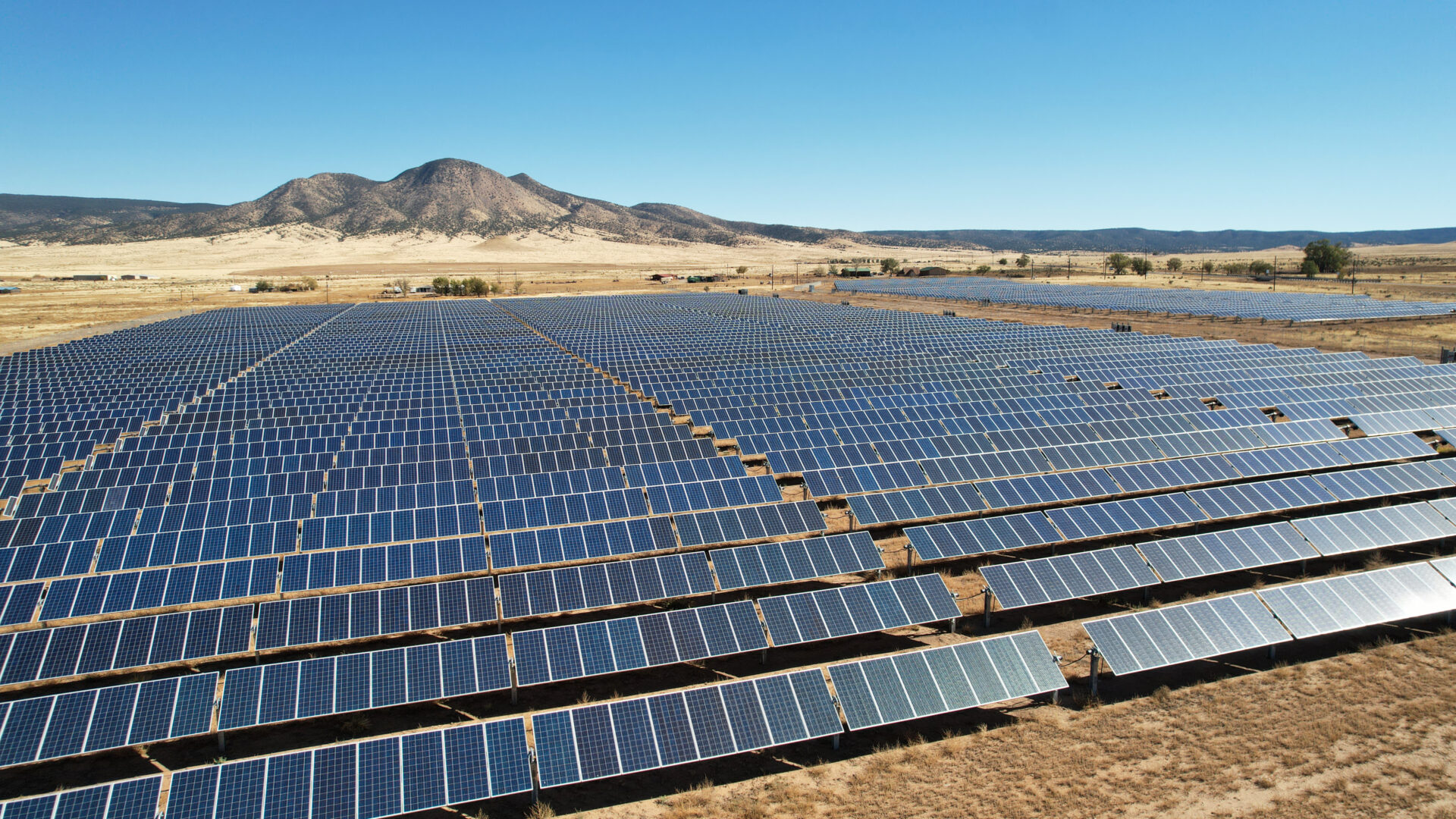
Nevada gets more than 300 days of sunshine a year, which makes it one of the best places in the country to build solar. As the Silver State leans harder into renewable energy, solar farms (also called utility-scale or large-scale solar projects) are popping up across rural Nevada, and they’re much bigger than rooftop setups. These projects cover a lot of ground, which raises tough questions: where should they go, how much land and environmental impact is reasonable, and how do we make sure the communities around them actually see the benefits?
When done right, solar farms can support rural economies, help fund local services, and add to a more reliable energy grid for everyone in Nevada.
Throughout this piece, you’ll hear directly from rural Nevadans about their thoughts on solar farms.
Large-scale solar projects: the good vs. the bad
The difference between a large-scale solar project that benefits a community and one that harms it comes down to planning and process. A well-planned project considers environmental protections, community priorities, and local land use planning. A poorly-planned project risks harming community trust, disrupting ecosystems, and can even leave a rural community worse off than when the project started.
The difference between harmful and responsible development lies in process, design, and accountability.
When these projects are done well, they include legally binding contracts between developers and local communities. These are called Community Benefits Agreements, or CBAs for short. CBAs can be part of larger agreements with developers, or they can stand on their own.
Large-scale solar is typically connected to the local grid through a contract with a utility to buy the power. Because electricity flows where it’s most needed on the grid, the power generated doesn’t necessarily stay local, it goes wherever demand is highest. This makes CBAs especially important, because they ensure host communities receive direct value even when the electricity serves the broader region. Similar to how Nevada’s alfalfa, California’s strawberries, and Florida’s oranges are exported to other states, Nevada’s electricity can be exported too.
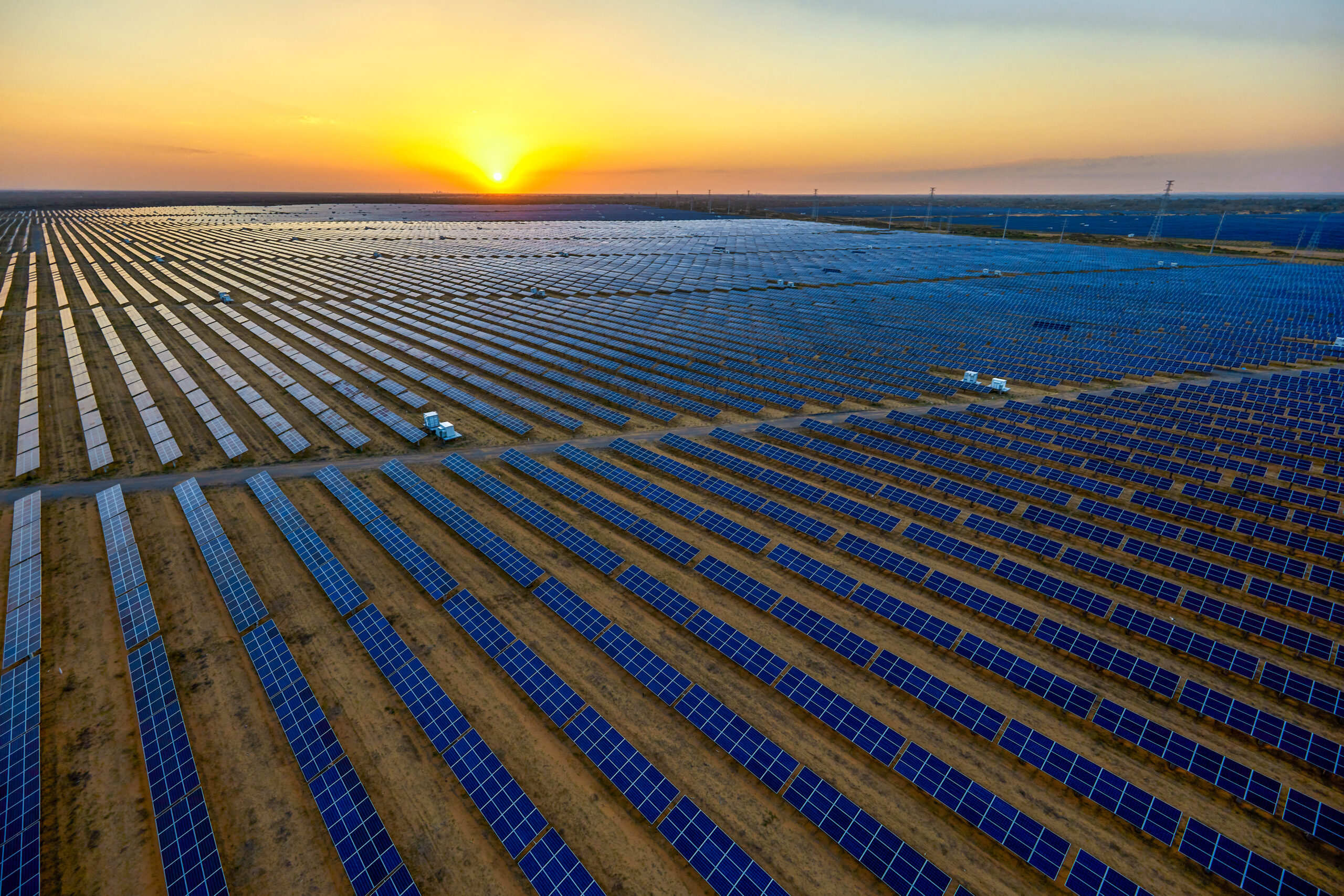
Beyond formal agreements like CBAs, Community Benefits Plans (CBPs) may also be used as non-binding roadmaps that outline how a developer intends to engage with the community and deliver benefits across all project stages. While CBPs do not have enforcement mechanisms, they can help pave the way for formal agreements. Projects may also generate revenue through federal regulations and state ‘Payments in Lieu of Taxes’ programs, providing additional financial support to host communities.
Environmental care and land stewardship
Thoughtfully designed solar installations can minimize environmental impact and contribute positively to the land. A majority of solar panel materials can be recycled, and projects can support pollinator habitats, grazing livestock, and wildlife when designed with care. Solar development can also improve soil health by reducing erosion and runoff from previously intensive agricultural use.
Solar United Neighbors encourages projects to prioritize disturbed or previously developed lands such as landfills, brownfields, parking lots, and large rooftops before considering undeveloped lands. When solar is located on farmland, agri-solar practices that support local farmers and preserve agricultural value should be incorporated wherever possible.
Battery storage: benefits and safety considerations
Battery energy storage systems (BESS) are becoming an essential complement to large-scale solar. These systems store excess energy generated during the day and release it during peak demand, which is typically in the evening when solar production drops but electricity use remains high. This capability helps prevent outages, reduces reliance on expensive and polluting gas and coal peaker plants, and makes renewable energy more reliable and cost-effective.
BESS facilities produce no air pollutants during operation, consume minimal water, and generate no operational traffic once constructed. As Nevada’s electricity demand continues to grow, pairing solar with battery storage is critical for maintaining grid stability while transitioning away from fossil fuels.
High-profile fire incidents, like the one at Moss Landing in California, have understandably raised questions about battery safety. While BESS fires are uncommon relative to the rapid growth of battery storage facilities nationwide, they do occur and can be serious when they happen. Most widely-reported BESS fires involved older technologies and safety standards that the industry has since surpassed through improved battery chemistry, enhanced fire suppression systems, and more rigorous safety protocols. BESS facilities should stay current with evolving safety standards and fire prevention methods. When battery storage is developed with strong safety standards, transparent community engagement, and proper oversight, it serves as a valuable tool for Nevada’s clean energy transition.
Real impact in Nevada
In Clark County, Boulder City provides an example of how community benefits can support local resilience. By leasing land for solar projects, the city has generated stable revenue that helped weather the financial strain of the COVID-19 shutdown. Project partners have contributed to local amenities such as a sound system for the senior center and a tortoise habitat for an elementary school, demonstrating how developers can engage as true community partners rather than temporary operators.
“There’s plenty of places to have solar farms out here. And, I think we should be doing a lot more of that because [the sun’s energy] is free and and it can help benefit our community in other ways too.”
– Lynn, resident of Nye County
Our position at Solar United Neighbors
Solar United Neighbors supports thoughtfully designed large-scale solar projects that prioritize community well-being, environmental stewardship, and transparent public engagement. SUN is developer and project neutral, but encourages industry best practices with any proposed projects.
Moving forward together
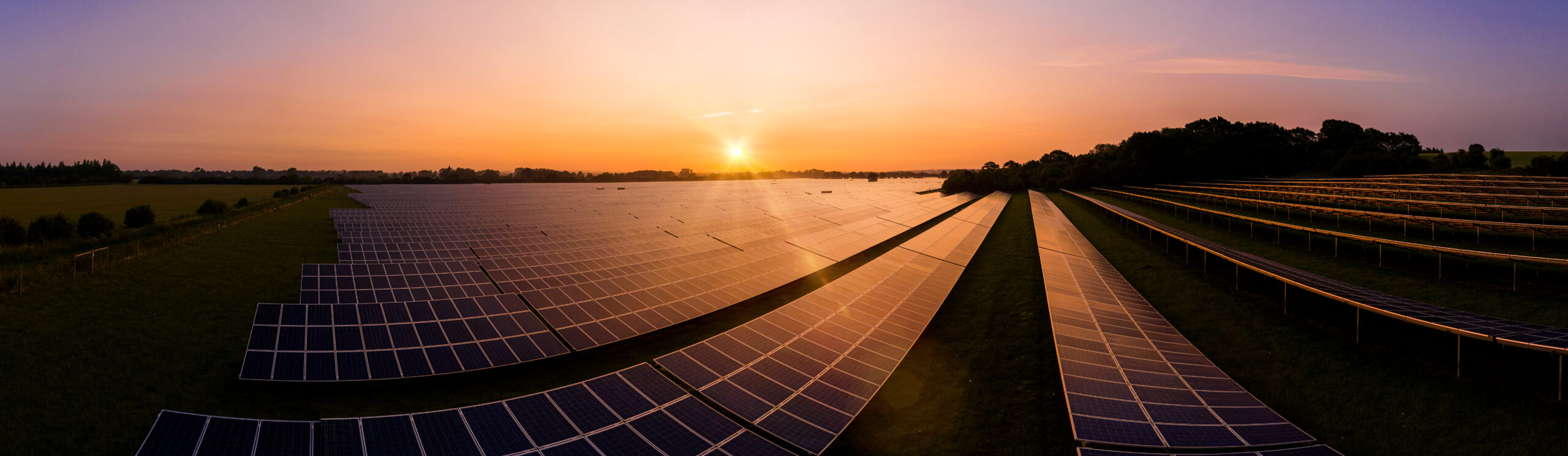
All energy production has impacts, but solar remains more affordable and has a lower environmental impact than any other energy source. As Nevada considers its energy future, thoughtfully done large-scale solar offers an opportunity to balance energy goals with community priorities.
“Right now [solar farms are] a great idea. I mean, we have a lot of land and we have a lot of sun, and we have a lot of land that’s not in use. When I see them, I go: oh good! We’re capturing the sun! That’s the first thing I think.”
– Gloria, resident of Las Vegas
The most successful projects are those where everyone benefits. The developer builds solar energy capacity, the community gains meaningful and lasting resources, and the state moves closer to its renewable energy goals while respecting local voices.
Solar United Neighbors remains committed to providing factual information, facilitating community engagement, and supporting processes that center those most affected by these decisions. Through careful planning, transparent dialogue, and genuine partnership, large-scale solar in Nevada can reflect a model of energy development that is both responsible and community-driven.
Get the latest on solar straight to your inbox.
Fight for your solar rights.
Everyone has the right to go solar. Spread the sunshine nationwide and in your local community by taking action, joining events, and more.